Should You Repair Crawl Space Sagging Floors or Call a Pro?
Last updated: September 10, 2026
Key Takeaways
- I would especially call a pro if: The home is older than about 25 years and has never had crawl space repairs.
- You should ask for proof that the contractor understands crawl space structure, not just waterproofing.
- A good answer should mention terms like load path, bearing, joist span, or sill plate if those apply.
- A quote should worry you if it sounds too simple for a structural problem.
A floor that dips in the middle is not a “maybe later” problem. Not really. If you are asking whether you should repair crawl space sagging floors or call a pro, the blunt answer is: inspect first, then bring in a qualified structural or foundation professional when the sag is more than cosmetic. A bouncy feel, a slope you can see, or a soft dip near the center of a room is enough reason to treat crawl space sagging floors as something to inspect first — not a Saturday fix you wing on instinct. Talk to a qualified structural or foundation professional about your specific house before you choose a repair path, because the right answer depends on what is actually failing under the floor, not just on the visible sag upstairs. The U.S. Department of Energy notes that crawl space moisture problems can damage materials over time, and the American Wood Council’s standards are a common structural reference: https://www.energy.gov/energysaver/crawlspace and https://awc.org.
In Raleigh, Durham, Cary, Chapel Hill, and nearby towns, the problem is often not one bad joist. More often, it is chronic crawl space moisture, undersized framing, settlement at a pier, a damaged sill plate, or a support beam that has lost bearing. Some of those problems are fixable. Some need engineering. Some are unsafe to touch without shoring. So the question is pretty direct: should you repair crawl space sagging floors or call a pro? Usually, it comes down to whether you are looking at a minor support repair or a structural issue.
Should you repair crawl space sagging floors yourself?

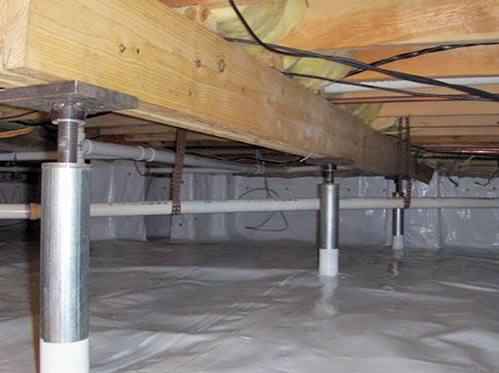
For most homeowners, no — except for inspection, moisture control, or very minor maintenance. A real sagging-floor repair in a crawl space often means load-bearing members, temporary shoring, jack posts, sistering joists, beam replacement, or foundation adjustments. Those are not casual DIY tasks.
The Triangle climate adds its own misery. Long humid stretches, heavy rain, and seasonal moisture can soften subfloor materials and push wood decay along faster than people expect. North Carolina’s residential code enforcement matters here too: once the work stops being cosmetic and becomes structural repair, permit and inspection requirements may apply through the local building department in Wake County, Durham County, or Orange County, depending on where the house sits. That is why should you repair crawl space sagging floors or call a pro? is not just a money question. Safety sits in the chair too.
I would not treat this as a DIY project if any of the following are true:
- The floor slope is obvious to the eye or gets worse over time.
- You see cracked joists, split beams, rot, or insect damage.
- The crawl space has standing water or wet soil.
- A support pier is leaning, crumbling, or sinking.
- Doors or drywall cracks appeared along with the floor sag.
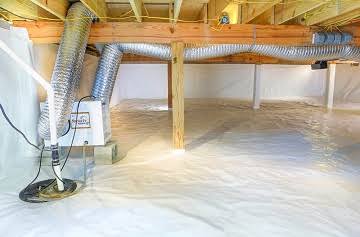
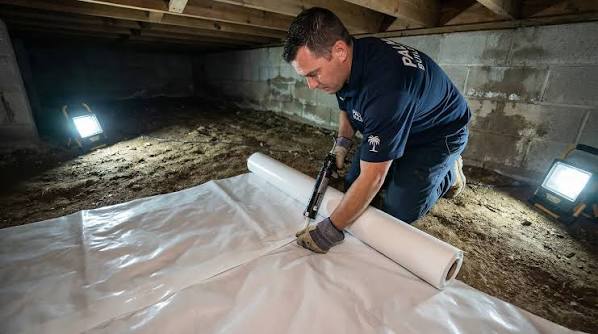
If the issue is only a damp crawl space and no structural movement, the first move may be drainage, grading, vapor barrier work, or dehumidification. That still is not the same as fixing a sagging floor, but it can keep the cause from getting worse. National guidance from the U.S. Department of Energy on crawl space moisture control is a useful place to start: https://www.energy.gov/energysaver/crawlspace. For structural framing basics, the American Wood Council’s standards are the technical reference many pros work from: https://awc.org. If you are still weighing should you repair crawl space sagging floors or call a pro?, this is where a pro inspection becomes the safer choice.
What crawl space sagging floors usually mean in Raleigh and the Triangle
In the Raleigh-Durham area, crawl space sagging floors often point to moisture plus time. Clay-heavy soils in much of central North Carolina can hold water, and crawl spaces here frequently sit in high humidity for long stretches, especially in spring and summer. That combo can damage wood framing, corrode fasteners, and weaken support points. Ugly stuff. Slow, but ugly.
The most common causes I would expect in this region are:
- Crawl space moisture: Persistent humidity or liquid water can lead to rot, mold growth, and wood movement.
- Settled support piers: Older homes around Raleigh, Apex, and Garner may have block or brick piers that shift over time.
- Undersized or damaged joists: Some older framing was built for lighter loads or has been weakened by notches, cuts, or repairs done wrong.
- Beam or sill damage: The beam may sag, or the sill plate may be compromised where it meets masonry.
- Foundation settlement: Not every floor sag is “just a floor” problem; sometimes the whole support line has moved.
A generic article would stop at “call a contractor.” That misses the part that matters: here, moisture is often the trigger, but structural movement is the symptom. If your crawl space is damp after summer storms or after a wet winter, the floor may keep sagging unless the water problem is corrected first. In other words, should you repair crawl space sagging floors or call a pro? depends on whether the support system is actively moving.
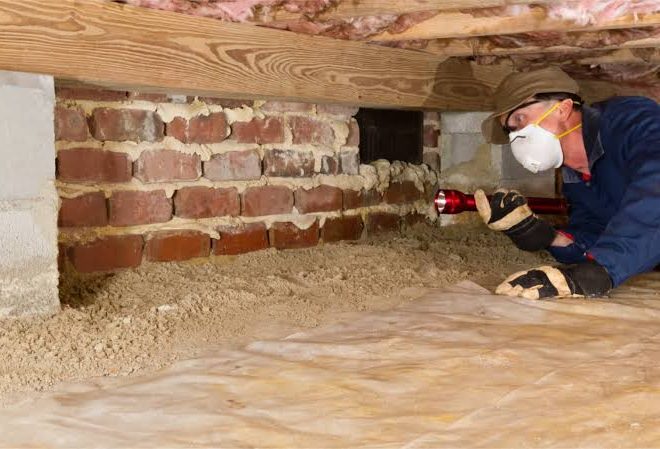
Timing matters too. In central North Carolina, I would rather inspect a crawl space in a dry spell than after several days of rain, because water intrusion and soil movement are easier to spot when conditions are not hiding the problem. That does not mean it is safe to wait if the floor is dropping quickly.
How much does crawl space sagging floor repair cost here?
The price depends on whether the job is moisture control, support repair, or structural reconstruction. In Raleigh, Durham, Cary, and Chapel Hill, smaller repairs can land in the low thousands and larger structural jobs can move well beyond that, especially if engineering or permits are involved.
General industry guides for crawl space and structural work often cite broad ranges rather than exact local prices, because access and damage vary so much. Those planning figures are useful when you are deciding should you repair crawl space sagging floors or call a pro?
| Repair type | Typical scope | Rough local price range |
|---|---|---|
| Crawl space inspection | Visual review of joists, beams, piers, moisture signs | about $100 to $300, sometimes credited if you hire the repair |
| Moisture control only | Vapor barrier, drainage correction, sealing obvious air leaks | about $1,500 to $6,000 |
| Sistering joists | Reinforcing damaged or weak joists | about $500 to $1,500 per joist section, depending on access |
| Beam or girder repair | Repairing or replacing a sagging support beam | about $2,000 to $8,000+ |
| Pier reset or added supports | Rebuilding or adding support posts/piers | about $1,000 to $4,500+ |
| Foundation-related structural repair | Settlement correction, more extensive stabilization | often $5,000 and up, sometimes much more |
Those are broad planning figures, not quotes. The biggest local price drivers are crawl space height, access, wood rot, standing water, engineering needs, and whether permits or inspections are required by the city or county. For reference, national crawl space and foundation repair guides from the U.S. Department of Energy and the American Wood Council help explain why costs rise when moisture and structure overlap: https://www.energy.gov/energysaver/crawlspace and https://awc.org.
If your home is in an older neighborhood in Raleigh, Durham, or parts of Chapel Hill where crawl space access is tight, labor can rise quickly because the work is slow and physically awkward. Houses in Morrisville, Apex, Holly Springs, Wake Forest, and Fuquay-Varina can run into the same issue, especially when the crawl space is low and wet.
A useful rule: if a contractor’s quote is far lower than the others and does not mention moisture, load path, or the specific member being repaired, I would be cautious. That usually means the estimate is thin. Paper-thin.
When is it okay to call a pro instead of trying to fix it yourself?
For a sagging floor, I would call a pro whenever the problem is more than a surface issue. That is especially true if the sag is new, worsening, or paired with cracks, sticking doors, or soft spots. Once you start asking should you repair crawl space sagging floors or call a pro?, the practical answer is usually “call a pro” when movement is visible.
A structural or foundation contractor should be on the list if you see any of these:
- More than a slight slope across a room
- A floor that feels springy in one area and firm in another
- Visible damage in the crawl space
- Moldy or rotted wood
- A pier that is out of plumb
- Evidence of termite or carpenter ant damage
- Water in the crawl space after storms
In the Triangle, humid summers plus heavy rain make “wait and see” a poor plan once wood movement is already visible. The same goes for homes in nearby towns like Knightdale, Clayton, Garner, Mebane, and Hillsborough. The house does not care whether it sits in a city center or a suburb; if the support system is failing, it keeps moving.
I would especially call a pro if:
- The home is older than about 25 years and has never had crawl space repairs.
- You are planning to sell soon and need documentation of structural work.
- The sag is near a load-bearing wall.
- There is any question about whether a permit is required.
A homeowner can usually handle cleaning the crawl space entrance, documenting where the floor dips, and checking whether the issue is seasonal. I would not ask a homeowner to make structural judgments from above the floorboards alone, because should you repair crawl space sagging floors or call a pro? depends on what the crawl space shows.
How to vet a crawl space and foundation contractor in Raleigh
Ask for proof that the contractor understands crawl space structure, not just waterproofing. In Raleigh, Durham, and Chapel Hill, a good fit is often a company or specialist that can explain both the moisture source and the structural fix in plain language.
I would ask these questions before booking:
- What exactly is sagging — the joists, beam, pier, or foundation support?
- Do you recommend a permit or inspection for this repair?
- Will you shore the structure before any demolition or jacking?
- What code or standard are you working from?
- How will you address moisture so the repair does not fail again?
A good answer should mention terms like load path, bearing, joist span, or sill plate if those apply. If the contractor only talks about “lifting the house” and never explains why it sagged, I would be wary.
North Carolina licensing matters too. Larger structural repairs may involve licensed general contractors, and some trades may need their own credentials. If the repair includes electrical, plumbing, or major structural changes, the right license and permit trail becomes part of the job. Local building departments in Wake County, Durham County, and Orange County can tell you what needs review; that is not busywork, it is how you avoid a repair that fails inspection or has to be reopened.
I would also ask how they serve the nearby area. A contractor who regularly works in Raleigh may also serve Cary, Apex, Morrisville, Garner, Knightdale, Wake Forest, and Chapel Hill. That matters because travel time and crawl space experience in this climate affect scheduling, especially after storms when emergency calls stack up.
Red flags: quotes that should worry you
A quote should worry you if it sounds too simple for a structural problem. Sagging floors are rarely fixed correctly with one generic product or one all-purpose promise.
Watch for these red flags:
- No crawl space inspection, just a price from the doorway
- No mention of the cause of the sag
- No plan for temporary support before repair
- No discussion of moisture, drainage, or ventilation
- A promise to “level everything” without explaining how
- No permit discussion for work that appears structural
- No written scope naming the joists, beam, or piers involved
In a damp North Carolina crawl space, ignoring moisture is the quickest way to make a repair age badly. A lifted floor can fail again if the joists keep absorbing water or if the support point keeps sinking. That is one reason I would not choose a contractor who only sells floor jacking and never mentions the crawl space environment.
This section is also where homeowners get burned by false urgency. A little sag is not always a disaster, but a collapsed beam is. The difference is in the inspection, not the sales pitch.
Can you get same-day help or an emergency estimate?
Yes, in some cases you can get same-day triage, but true structural repair is usually scheduled after inspection. If the floor is actively dropping, the crawl space has a fresh break, or a support member looks failed, I would treat it as urgent and call for an emergency or priority visit.
Same-day help in the Raleigh area is more realistic for:
- A quick crawl space assessment
- Temporary stabilization advice
- Moisture intrusion evaluation after a storm
- Emergency shoring recommendations
It is less realistic for full repairs, especially if parts, permits, or engineering are needed. That is normal. A responsible pro should not rush a structural fix just to close a job.
If you need a free estimate, ask what “free” covers. Some companies offer a no-cost visual estimate, while others include a fuller assessment only after a paid inspection. I would want that clarified before anyone opens a crawl space hatch.
Should you repair crawl space sagging floors or call a pro?
If the floor is only mildly uneven and the crawl space is dry, you may be looking at maintenance, not major structural work. If the sag is obvious, growing, or tied to rot, moisture, or movement in piers or beams, I would call a pro. That is the safer and usually cheaper choice in the long run, because structural problems get worse when they are guessed at.
In Raleigh, Durham, Cary, Chapel Hill, and the surrounding towns, crawl space issues often start with humidity or water and end with framing damage. The hard part is figuring out which part is doing the damage first. That is why I would not use floor slope alone to decide. I would use the crawl space itself, the age of the home, and any sign of movement when deciding should you repair crawl space sagging floors or call a pro?
If you are in the middle of that decision, a qualified local inspection is the next right step.
FAQ
Can sagging floors in a crawl space get worse quickly?
Yes, if the cause is active moisture, settling, or a failing support. A small change can become a larger structural issue over months, especially in a humid North Carolina crawl space.
Is a sagging floor always a foundation problem?
No. It can be framing, support piers, rot, or moisture damage without a full foundation failure. The difference matters, and an inspection is what separates them.
Do I need a permit for crawl space floor repair in Raleigh?
Often yes for structural work, but it depends on the scope and local code requirements. Wake County, Durham County, or Orange County building departments can confirm what your repair needs.
Can I get a same-day crawl space estimate?
Sometimes you can get same-day scheduling for an inspection or urgent call, but full repair quotes usually follow a crawl space review. After storms, availability is tighter.
What nearby areas are usually served?
Most crawl space and foundation contractors based in Raleigh or Durham also serve Cary, Apex, Morrisville, Garner, Wake Forest, Knightdale, Chapel Hill, and nearby communities.