How to Choose a Crawl Space Repair Contractor Near You
Last updated: September 10, 2026
Key Takeaways
- How long will the repair itself take: 1 day, 3 days, or a full week?
- Can the work start within 1 to 3 weeks, or sooner for active water intrusion?
- If the floor is bouncing because a girder has settled 1 to 2 inches, moisture control alone will not level it out.
- Most crawl space repairs take 1 to 5 days, but structural jobs, permit delays, and hidden damage can stretch that longer.
Damp crawl space? Sagging floor? Standing water? Then the crawl space repair contractor you want is the one who can show they understand moisture, structure, and local building rules before they ever pitch you anything. In Charlotte, Raleigh, Greensboro, and much of the Piedmont, that means someone who knows clay soils, vapor barriers, drainage, and the gap between a cosmetic patch and a structural repair. Pretty basic. But people miss it all the time.
What should I look for in a crawl space repair contractor near me?
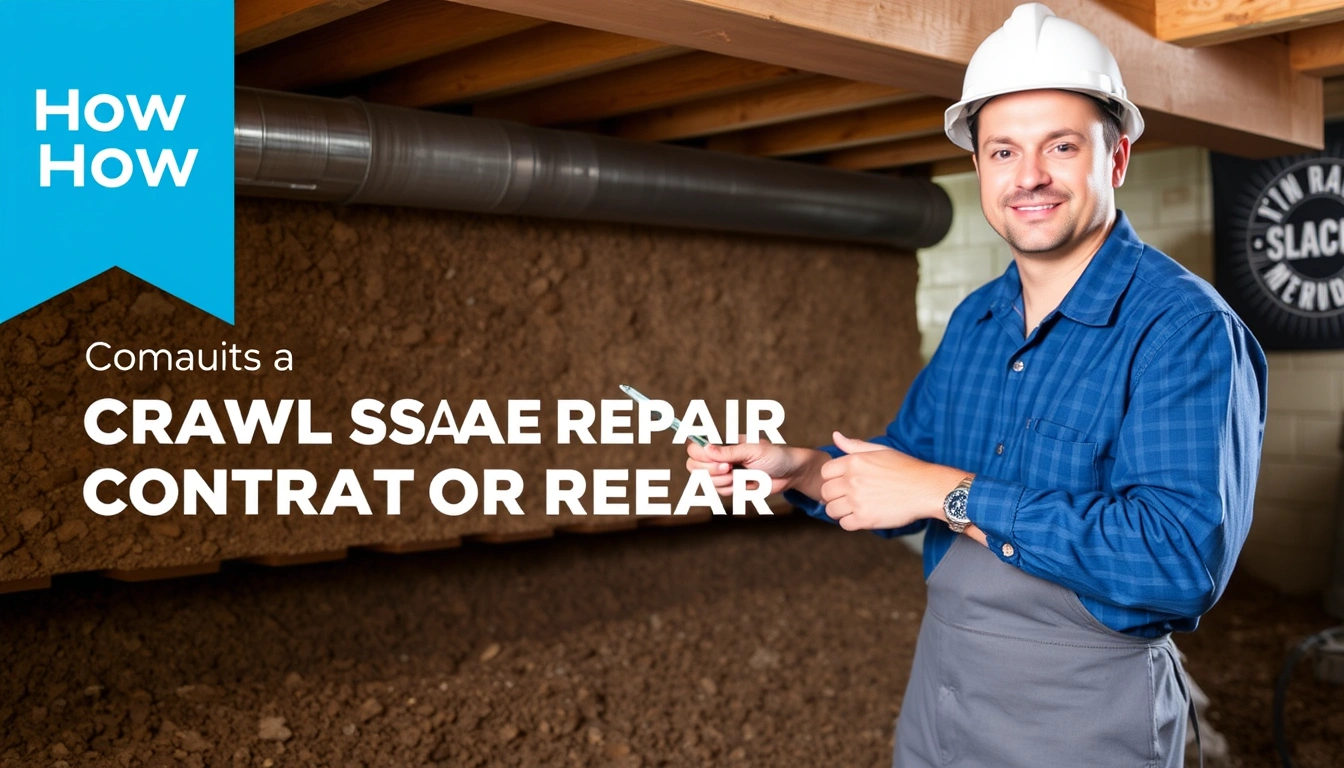
Start with three things: crawl-space-specific experience, local code awareness, and a written scope that actually matches the problem. A contractor who only treats one symptom—say, adding a fan for humidity or spraying foam on joists—can miss the real issue if your crawl space has drainage problems, beam settlement, or rot.
In the Charlotte metro and across central North Carolina, crawl spaces often deal with high summer humidity, heavy rain, and clay soils that hold water. That makes experience with drainage, encapsulation, dehumidification, floor framing repair, and sump systems far more useful than a vague “foundation” title. If the contractor cannot explain why your crawl space is wet after a 2-inch rain, I would keep looking. That math stops working fast.
Ask whether they regularly handle:
– Vapor barriers and encapsulation
– Sump pumps and interior drainage
– Floor joist, beam, sill plate, and subfloor repair
– Mold remediation coordination, if needed
– Insulation removal and replacement
– Sealing crawl space access points and vents, where appropriate
A good contractor should also say what they are not fixing. For example, if the crawl space is wet because of poor grading and downspout discharge, a sump pump alone is not the whole answer. If the floor is bouncing because a girder has settled 1 to 2 inches, moisture control alone will not level it out. No miracle dust here.
How much does crawl space repair cost in Charlotte and nearby towns?
The price depends on whether you need moisture control, structural repair, or both, and Charlotte-area jobs often land in very different ranges because clay soil, access, and water intrusion vary so much from one home to the next. I would expect a small repair to cost far less than a full encapsulation with drainage and dehumidification.
Here is a practical local cost table for the Charlotte region, including nearby areas like Concord, Gastonia, Matthews, Mint Hill, Huntersville, and Rock Hill, SC. These are general working ranges, not quotes.
| Service type | Typical local price range | What changes the price |
|---|---|---|
| Crawl space inspection / assessment | $0–$300 | Sometimes waived if you book the repair; structural evaluation may cost more |
| Vapor barrier repair or partial replacement | $1,500–$4,000 | Square footage, access, tear-out, and debris |
| Full encapsulation | $6,000–$18,000+ | Size, height, number of piers, sealing details, drainage |
| Sump pump installation | $1,500–$4,000 | Pump type, discharge line length, battery backup |
| Interior drain system | $3,000–$8,000+ | Perimeter length and excavation difficulty |
| Crawl space dehumidifier | $1,500–$3,500 | Unit size, drainage setup, electrical access |
| Wood rot repair / sill or joist repair | $1,000–$10,000+ | Extent of damage and how much framing must be rebuilt |
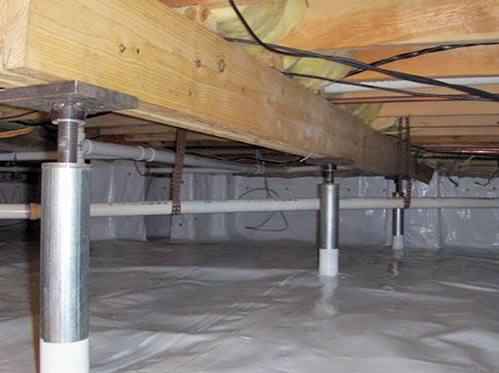
| Pier or beam adjustment | $2,500–$12,000+ | Number of supports, load, access, settlement severity |
Those ranges can move up if the crawl space is tight, has standing water, or needs pest cleanup first. In older homes around Charlotte, Belmont, and Mooresville, repair often costs more because the work area is cramped and the wood has already been damaged by years of humidity.
A contractor who gives you a clean flat price without asking about crawl space height, standing water, or damaged framing is either guessing or leaving something out.
How do North Carolina crawl space conditions change the job?

North Carolina’s clay soils, heavy summer humidity, and storm-driven rain make crawl space repair more than a cosmetic fix, so water management and vapor control usually matter as much as structural repair in the Charlotte area. Moisture keeps coming back if the source is not handled.
Clay soil expands when wet and shrinks when dry. That movement can contribute to settlement, cracked mortar, and stuck doors. It also keeps water near the foundation longer after a storm. In neighborhoods with older houses and shallow crawl spaces, I would treat drainage as part of the repair plan, but I would also consult a qualified professional about the full scope rather than assuming drainage alone solves the issue.
State and local requirements matter too. Building permits in North Carolina can be required when the work changes structure, framing, or mechanical systems. If a contractor says permits are never needed, that is a warning sign. For code and permit questions, I would verify with the local building department or a licensed design professional when the scope is structural.
For general code guidance, the North Carolina Residential Code and local inspection offices are the right references, not a sales brochure. The North Carolina Department of Insurance has code resources here:
https://www.ncdoi.gov/wing/building-codes
If your crawl space is in a low-lying part of Charlotte, Belmont, Concord, or near a creek corridor, drainage design matters even more. A repair that works on a dry lot in Union County may fail fast on a property that takes runoff from neighboring lots.
For local planning and permit details, the City of Charlotte and county inspection offices can also help:
https://www.charlottenc.gov/
https://www.mecknc.gov/
How to vet a crawl space repair contractor before you sign
Ask for a written diagnosis, a line-item scope, and proof that the person selling the job understands structural repair and moisture control. A slick estimate is not the same thing as a sound plan.
Start with these questions:
1. What is causing the damage: water, humidity, settlement, wood rot, pests, or all of the above?
2. Which parts of the crawl space will you repair, and which parts are outside the scope?
3. Do you recommend drainage, encapsulation, structural repair, or a combination?
4. Will you pull permits if the work requires them?
5. Who performs the work: your crew or a subcontractor?
6. What warranty do you provide, and what does it exclude?
7. How long will the job take?
A real crawl space contractor should be able to explain the standard products and terms of art: 6-mil, 10-mil, or 20-mil vapor barrier; interior perimeter drainage; sump basin; sealed crawl space; dehumidifier capacity; sistered joists; beam replacement; and sill plate repair. If they avoid those terms or use them loosely, they may be selling a package instead of solving a building problem.
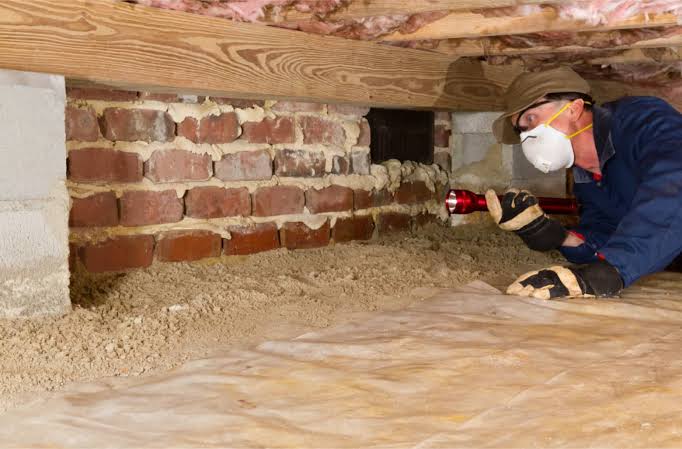
I would also want to know whether they inspect for mold, termite damage, and plumbing leaks. A common mistake is to blame everything on humidity when a leaking supply line or broken condensate drain is the real source.
One honest trade-off: the most detailed scope may not be the cheapest, and that can actually be a good sign if the details are real. A low bid can leave out drainage, temporary support, or wood repair, which can turn into a second bill later.
For contractor standards and consumer protection, I would also look at the National Association of Home Builders and the EPA’s moisture and mold guidance, especially if the crawl space has visible mold growth or repeated condensation:
https://www.epa.gov/mold
https://www.nahb.org/
What does a bad crawl space repair job look like?
A bad job leaves the moisture source, the structural problem, or both. It may look tidy on top and still fail in the first rainy season.
Common failure signs in the Charlotte area include:
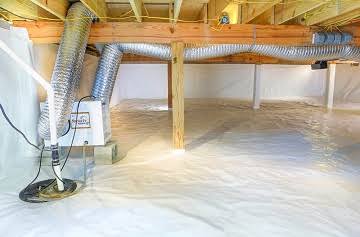
– A white vapor barrier laid loosely over wet soil, with gaps around piers and seams
– A sump pump installed with no clear discharge route away from the house
– A dehumidifier added without sealing major air leaks
– New insulation stapled up while joists and subfloor rot were ignored
– Shims stacked under a beam with no explanation of load transfer
– Standing water still present after a moderate rain
– Musty smell returning within a few weeks
A bad repair can also create new problems. If the crawl space is sealed without accounting for drainage, humidity may rise. If support jacks are set without proper footing or adjustment, floors can stay uneven or shift again. If wood rot is covered instead of replaced, the damage keeps spreading behind the repair.
I would be skeptical of any contractor who says a crawl space just needs “a little plastic” or “some spray foam.” Those can be parts of a solution, but they are not the whole thing in a humid Piedmont crawl space with clay soil and seasonal rain. Sounds cheap. Usually isn’t.
When is the best time of year to schedule crawl space repair here?
Late winter through early spring is often an easier time to schedule non-emergency crawl space work in Charlotte, Gastonia, Concord, and Matthews, but the best time is really before the next wet spell exposes the problem. If your crawl space is actively flooding or the floors are sagging, you should not wait for a perfect season.
The weather pattern matters here. Summer humidity, tropical moisture, and fast-moving thunderstorms can expose weak drainage and make crawl space drying slower. Fall and winter can be a better time for structural work if the space is dry enough for safe access. Still, an urgent water issue in July or August is an urgent job.
For timing, I would ask:
– How many days will inspection and proposal take?
– Can the work start within 1 to 3 weeks, or sooner for active water intrusion?
– How long will the repair itself take: 1 day, 3 days, or a full week?
Small moisture-control jobs may take a day or two. Full encapsulation and drainage work often takes several days. Structural repairs can also extend the timeline if permits, extra framing, or material lead times are involved.
If you are in a neighborhood with chronic runoff or a lower lot line, booking before heavy rain season is smarter than waiting until the crawl space is already wet.
What should be in the written estimate?
The estimate should say exactly what gets repaired, what materials are used, and what the contractor is excluding. A vague proposal is the fastest way to overpay for a partial fix.
I would expect a strong estimate to list:
– The cause of the problem as diagnosed
– Square footage of crawl space work area
– Vapor barrier thickness, if included
– Drainage layout and pump details, if included
– Structural repairs by location, such as main beam, girder, joist, or sill plate
– Any permit allowance
– Cleanup and debris removal
– Warranty terms and exclusions
– Estimated start date and duration
If the proposal just says “encapsulation package” without detail, ask what that means. Packages vary widely. One contractor may include a 20-mil liner, sealed vents, and a dehumidifier. Another may include only plastic and tape. Those are not the same job.
This is also where local conditions matter. In Charlotte’s older housing stock, a crawl space estimate should mention access limits, existing insulation removal, and whether plumbing or HVAC lines block the work area. In newer suburbs like Indian Trail, Harrisburg, or Fort Mill, the job may be cleaner but still need drainage and humidity control if grading is poor.
How long does crawl space repair usually take?
Most crawl space repairs take 1 to 5 days, but structural jobs, permit delays, and hidden damage can stretch that longer. The contractor should give you a realistic schedule, not a promise that every crawl space can be wrapped up in a single afternoon.
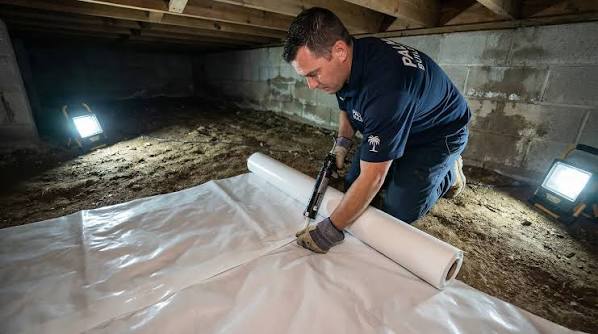
A simple vapor barrier patch or dehumidifier install may take just a few hours. Drainage and encapsulation usually take longer because the crew may need to remove old material, level the ground, seal seams, and test drainage. Structural repairs can take the longest if piers need adjustment or framing members must be replaced.
The hidden time sink is discovery. Once old insulation comes down and the crawl space is open, the contractor may find rot near the rim joist, insect damage, or a plumbing leak. A contractor who warns you about that up front is being honest. A contractor who never mentions hidden damage is either lucky or incomplete.
FAQ: crawl space repair contractor questions near Charlotte
Do I need an emergency crawl space repair contractor?
Yes, if you have active standing water, a fallen beam, soft or sagging floors, or exposed electrical risk. Water intrusion after a storm is the kind of problem that should be checked quickly, especially in low-lying parts of Charlotte and nearby suburbs.
Can I get a same-day estimate?
Sometimes, yes. Many contractors can schedule an initial look within 1 to 3 days, but same-day estimates are more likely for urgent water problems than for full structural evaluations.
Should I ask for a free estimate?
Yes, but I would care more about the quality of the inspection than whether it is free. A free estimate that ignores drainage, wood damage, and local permit needs is not a bargain.
Can one contractor do both moisture control and structural repair?
Yes, and that is often preferable if the contractor truly handles both. If they only specialize in one, they should explain when they will bring in a structural engineer, plumber, or another licensed trade.
What nearby areas should a Charlotte crawl space contractor serve?
A contractor serving this market should be comfortable working in Charlotte, Matthews, Mint Hill, Huntersville, Concord, Gastonia, Belmont, and nearby towns where clay soil and summer humidity are part of the job.
What is the biggest warning sign in a bid?
The biggest warning sign is a low price with no diagnosis. If the bid does not explain the cause, the scope, the materials, and the timeline, I would not sign it.