Why Is My Crawl Space Musty? Common Causes and Fixes
Last updated: September 10, 2026
Key Takeaways
- A downspout extension of 6 feet or more is a practical benchmark, though local site conditions vary.
- Watch for recurrence for 2 to 4 weeks.
- The problem is worse after heavy rain, and the odor may be strongest for 24 to 72 hours afterward.
- Clean gutters, extend downspouts at least 6 feet where site conditions allow, and make sure soil slopes away from the house.
A musty crawl space usually means moisture is hanging around where it should not be. And the smell is often the first clue. If your home has ongoing odors, damp insulation, or visible condensation, I would treat that as a sign to look closer; for your own situation, speak with a qualified home inspector, pest professional, or mold professional if the problem is widespread or hard to trace. This article on why is my crawl space musty? common causes fixes focuses on the most common moisture paths and practical next steps.
Who this applies to, and what I’m assuming
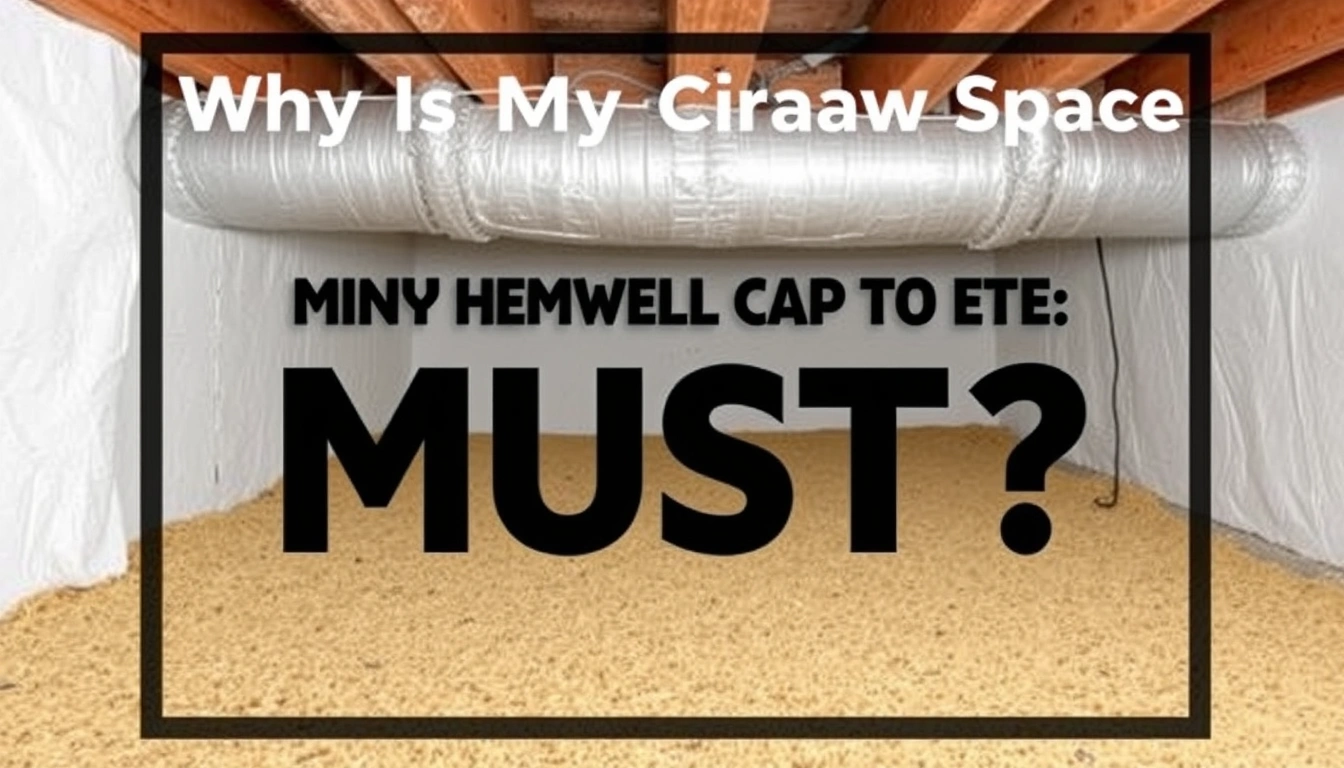
This applies to homeowners, landlords, and buyers dealing with a crawl space that smells earthy, damp, or stale, especially in homes with a vented crawl space, a bare soil floor, or older insulation. I’m assuming you already know where your crawl space access is, can recognize obvious standing water, and can open a hatch or door without feeling unsafe. I am also assuming you are not dealing with a collapse, sewage backup, or electrical damage.
Because moisture problems vary by climate and foundation type, why is my crawl space musty? common causes fixes starts with the basics: water entry, humidity, and poor drying. “Musty” is not a diagnosis by itself. It is a symptom. The source can be something small, like a missing downspout extension, or something more serious, like persistent groundwater intrusion or mold growth on joists and subflooring. If you can see large areas of visible mold, strong odors inside living areas, or water that returns after rain, that is beyond casual troubleshooting and deserves qualified help.
What I would not do is start by buying scented deodorizers or fogging products. Those can mask odor for a day and leave the moisture problem untouched. A crawl space that smells bad for weeks is usually telling you about a building-envelope issue, not a fragrance problem. Hollow comfort. That’s all.
What a musty crawl space usually means
A musty crawl space usually means the space is staying damp long enough for microbes and decay processes to take hold. The smell often comes from mold, mildew, damp wood, wet insulation, or soil moisture evaporating into the air. In building terms, the crawl space has lost control of moisture.
The field uses a few terms that help here. Relative humidity is the amount of moisture in air compared with the maximum it can hold at that temperature. In crawl spaces, sustained high relative humidity is a common setup for odor and fungal growth. Capillary action is when water moves through porous materials like masonry or wood. Bulk water is liquid water you can actually see, such as from a leak, groundwater, or drainage failure. Vapor migration is moisture moving as a gas through soil, concrete, or framing.
A lot of generic advice gets this wrong by treating every musty smell as “just mold.” Mold can be part of the problem, but the deeper question is why the crawl space is damp enough for mold to thrive. If that part is not solved, the smell tends to come back after the cleanup. That is the annoying part.
Common moisture sources include:
– Open soil that releases ground moisture
– Poor drainage around the foundation
– Downspouts dumping water too close to the house
– Plumbing leaks
– Uninsulated cold surfaces that condense moisture
– A broken or undersized vapor barrier
– HVAC condensate issues or duct leaks
– A disconnected bath fan or dryer vent that ends in the crawl space
There is no single fix for all of this. A musty smell in a 1960s vented crawl space with bare dirt is not the same problem as a sealed crawl space with a leaking supply line. The smell is the same; the fix is not. One-size advice falls apart fast.
Why is my crawl space musty?

Your crawl space is musty because moisture is being added faster than the space can dry out. That is the short answer, and it covers the majority of cases. The smell usually comes from one of five conditions: standing water, damp soil, condensation, hidden leaks, or organic material that has stayed wet too long.
First, poor drainage outside the house is the most common cause. If gutters overflow, downspouts stop near the foundation, or grading slopes toward the building, water collects at the footing and raises moisture in the crawl space. A simple rule I would use is to check whether downspouts carry water at least 6 feet away from the foundation; if they do not, that is an obvious place to start. The problem is worse after heavy rain, and the odor may be strongest for 24 to 72 hours afterward.
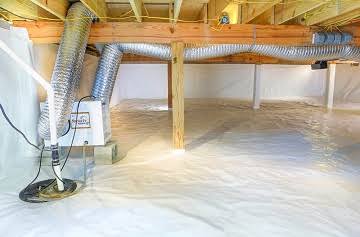
Second, open soil or an inadequate vapor barrier can keep feeding damp air into the space. A vapor barrier is a sheet material meant to slow moisture moving from the ground into the crawl space. In many homes, 6-mil polyethylene is too thin for long-term durability, and poorly lapped seams let moisture leak through edges. The issue is not just the plastic itself; it is whether it covers the whole floor, overlaps are sealed, and the edges are attached in a way that limits soil vapor from escaping. Thin plastic gets chewed up by time.
Third, condensation may be doing more than people think. Warm, humid air can hit cooler joists, ducts, or plumbing and leave moisture behind. This is common in humid climates and in crawl spaces with outside air vents that bring in damp summer air. It can also happen when cold water pipes sweat. If you see droplets on metal or darkened spots on wood, condensation is likely contributing.
Fourth, a plumbing, HVAC, or appliance leak can hide in plain sight. Even a slow leak can wet insulation or framing enough to produce odor without obvious puddles. Condensate lines from air handlers are a frequent source, and they are easy to overlook because the water is intermittent.
Fifth, biological growth may already be there. Mold and mildew do not need a flood. They need repeated dampness and time. Once insulation, wood framing, or stored items get musty, they can keep releasing odor even after a brief dry-out.
What I would check before going any further
I would check for visible water, visible mold, and obvious air or drainage problems before trying to “fix” the smell itself. This is the fastest way to separate a nuisance odor from a moisture problem that keeps building, according to the U.S. Environmental Protection Agency’s guidance on controlling moisture and cleaning up mold.
Start outside. Look at gutters, downspouts, splash blocks, grading, and nearby pavement. A downspout extension of 6 feet or more is a practical benchmark, though local site conditions vary. If water is dumping against the foundation, the crawl space may stay damp no matter what happens inside.
Then check the crawl space floor and lower walls after a rain and again during a dry spell. If you see water in both conditions, the problem is likely persistent groundwater, plumbing, or a drainage path under the house. If it only appears after storms, surface runoff is a strong suspect. Simple. But effective.
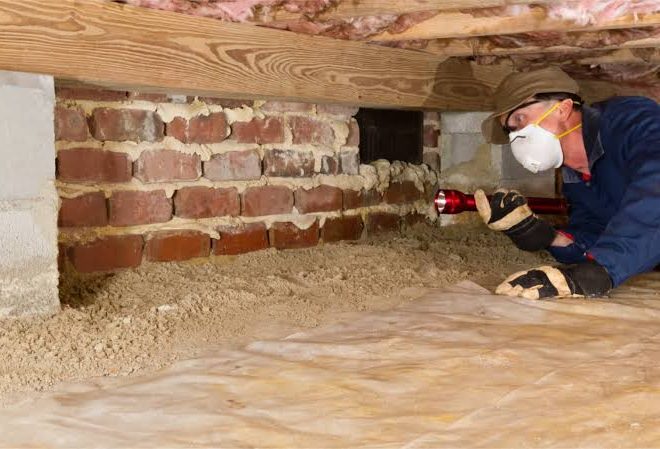
Look at the insulation. Fiberglass batts that are sagging, stained, or smelling bad usually hold moisture and become part of the odor problem. Wet insulation can be a source of mustiness even after the crawl space air dries out. Check the wooden joists and subfloor for dark staining, soft spots, or fuzzy growth.
If the crawl space has vents, note whether they are open and whether the local climate is humid. Vents can help in some conditions and hurt in others. In hot, humid weather, outside air can add moisture rather than remove it. The U.S. Department of Energy notes that vented crawl spaces can be problematic in humid climates.
If you can safely use a hygrometer, pay attention to the reading, but do not treat one number as the whole story. A crawl space can smell bad at moderate humidity if materials are already wet. I care more about repeat dampness than a single snapshot. Numbers matter; patterns matter more.
How do you fix a musty crawl space?
You fix a musty crawl space by stopping the water source, limiting ground moisture, and helping the space dry in a controlled way. The order matters: source first, then materials, then air control. If you reverse that order, the odor often returns.
- Trace the moisture source during dry and wet weather. Inspect the crawl space after a rain and again after several dry days. Look for puddles, stains, damp insulation, and active drips. Verify whether the smell gets stronger after rain or stays constant. A problem that changes with weather often points to drainage; one that does not may be a leak or condensation issue.
- Move surface water away from the foundation. Clean gutters, extend downspouts at least 6 feet where site conditions allow, and make sure soil slopes away from the house. Verify that water is not pooling against the foundation after a storm. If it still pools, the grading or drainage system is failing and needs more than a quick patch.
- Repair plumbing, HVAC condensate, and duct leaks. Check supply lines, drain lines, water heaters, and air handler condensate pans for wetness or staining. Verify whether any line leaves a wet mark after the system runs. A recurring damp spot under a pipe means the leak has not been solved, even if the odor seems less noticeable for a day.
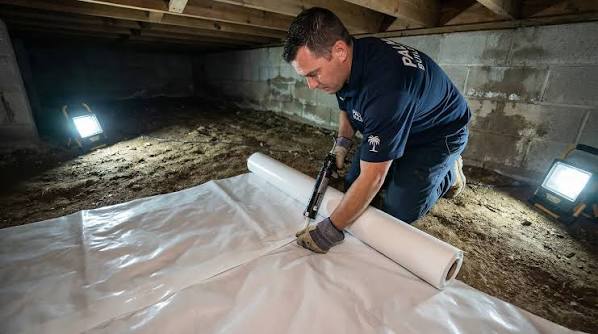
- Replace or improve the vapor barrier. Cover exposed soil with a continuous barrier, typically thicker than basic thin plastic, and overlap seams so they stay closed. Verify that the barrier covers the floor surface without large gaps. If it tears easily, lifts at the edges, or stops short of walls and piers, it is not doing much.
- Remove wet insulation and damaged organic material. Pull out fiberglass or cellulose insulation that is stained, matted, or smelly, and clear out wet cardboard, wood scraps, or stored items. Verify that framing can dry visibly. If material still smells after drying, it may need replacement rather than more drying time.
- Dry the space with controlled airflow or dehumidification. In some crawl spaces, a dehumidifier is the right tool; in others, temporary air movement helps after the moisture source is fixed. Verify whether the smell drops over several days rather than hours. If the air stays damp, the crawl space is still admitting moisture faster than it can dry.
- Seal obvious air leaks from the house into the crawl space. Gaps around plumbing, wiring, and penetrations can carry humid indoor air into the crawl space. Verify whether warm house air is condensing on cooler surfaces below. If sealing makes the crawl space more humid because the source is still open to wet soil, the order of work is wrong.
- Watch for recurrence for 2 to 4 weeks. Smell, staining, and humidity should trend downward after a proper fix. Verify that the odor does not return after the next rain. If it comes back quickly, the underlying moisture pathway is still active.
I would be careful about mistaking odor control for moisture control. Sprays, ozone treatments, and scented products may change the smell briefly, but they do not fix wet soil, a leak, or poor drainage. If you are unsure, consult a qualified professional before using odor treatments that could mask the real problem. They can also hide a problem long enough for damage to spread, according to the EPA’s mold guidance. Smell is a liar like that.
When should I stop and call a professional?
You should stop the DIY approach when the crawl space shows signs of active water intrusion, widespread mold, structural damage, or any condition that could affect indoor air or safety. This is not the place to improvise if the problem is more than a small, local smell.
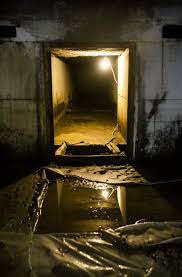
Standing water deeper than a thin film: This means bulk water is entering the crawl space — Get a qualified foundation, drainage, or waterproofing professional to identify the source before doing cleanup.
Visible mold covering more than a small patch: This suggests a broader moisture problem and possible contamination of insulation or framing — Bring in a mold professional or experienced remediation contractor, especially if the area is large or hard to access.
Soft, sagging, or damaged floor framing: This can mean wood has been wet long enough to weaken — Have a structural or qualified building professional assess it before anyone removes materials beneath load-bearing areas.
Electrical components in contact with moisture: This creates a safety hazard — Do not continue in that area until a licensed electrician or qualified contractor has addressed it.
Sewage smell or evidence of waste water: This is a different problem from ordinary dampness and has health implications — Stop and contact the appropriate utility, plumber, or remediation professional.
Repeated odor after the obvious fixes are done: This means the source has not been found — A crawl space specialist or home inspector can help trace hidden moisture paths, including duct leaks or hidden drainage failures.
A lot of people try to “wait it out” after a rain. That works only if the problem is a one-off splash or a brief humidity spike. If the smell survives dry weather, or returns with every storm, you are past the stage where patience is a solution. No more guessing.
The mistakes people make with crawl space odors
The biggest mistake is treating smell instead of moisture. A fogger, deodorizer, or fragrance may change the room for a day, but the crawl space still holds water. The consequence is recurring odor and more hidden damage. The better alternative is to trace the moisture source first.
Another common error is covering wet soil with new plastic without fixing drainage. If downspouts still dump at the foundation, the new barrier may trap problems rather than solve them. The consequence is moisture building under the plastic and smell continuing around seams. A better move is to control water outside before sealing the floor.
People also leave wet insulation in place because it “looks mostly dry.” Fiberglass can hold odor and lose performance after repeated dampness. The consequence is a persistent musty smell and cold floors above. The better alternative is to remove materials that have stayed wet or stained.
A fourth mistake is opening vents and assuming airflow alone will solve everything. In some climates, that pulls in humid outdoor air and makes the crawl space wetter. The consequence is more condensation in summer. The better alternative is to match ventilation or dehumidification to the climate and the crawl space design.
A fifth mistake is ignoring the crawl space after the first cleanup. If the smell returns after 1 rainstorm, the root cause is still active. The consequence is paying twice for the same problem. The better alternative is to monitor for a few weeks and verify that the odor and moisture do not return. Short memory, expensive lesson.
What if the crawl space is vented, sealed, or very old?
The standard advice changes depending on the crawl