Do You Need a Sump Pump in a Crawl Space?
Last updated: September 10, 2026
Key Takeaways
- The question of do you need sump pump crawl space usually comes down to whether water shows up after 24 to 48 hours of rain, not whether the air just feels damp.
- A $20 downspout extension or a few yards of regraded soil can sometimes cut the load on a pump, but a crawl space sump pump should be considered only after exterior drainage is checked.
- One clue points hard toward needing one: Water stains on foundation walls below about 12 inches from the floor.
- Inspect gutters, downspouts, and grading outside.
- See also: crawl space vapor barriers, crawl space dehumidifiers, and how to fix basement water problems.
A do you need sump pump crawl space decision deserves a careful look because the right answer depends on whether the crawl space collects water, the soil stays wet, or the humidity keeps coming back after rain. Dry space? Then probably no. Honestly, I’d judge it by what the crawl space is actually doing, not by the fact that it has a dirt floor or a faint musty smell. For moisture-control guidance, see the U.S. Environmental Protection Agency’s Moisture Control Guidance for Buildings.
What I mean by “need” a sump pump
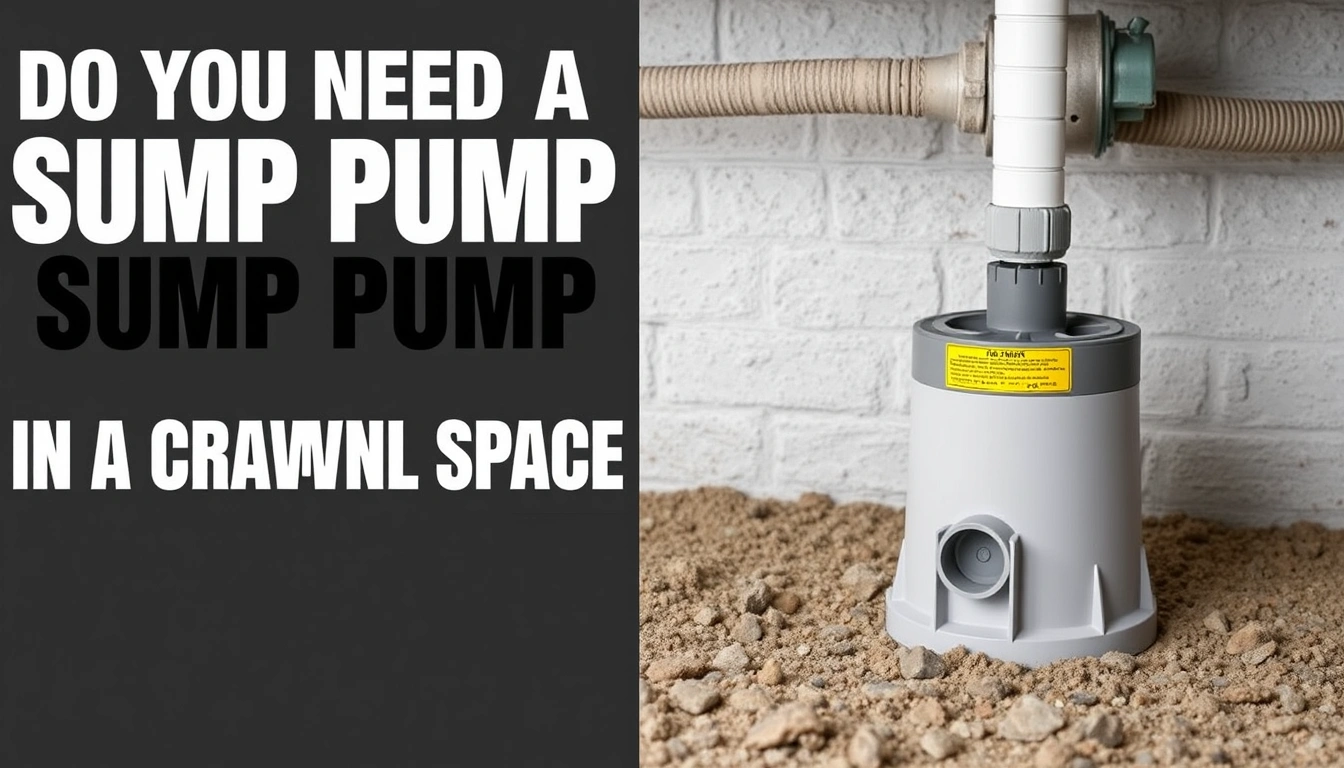
I mean you need one when water gets into the crawl space often enough that simple ventilation, grading, or a vapor barrier won’t solve it. A sump pump is a small pump in a sump basin, which is a pit cut below the floor of the crawl space so water can collect there and be pumped away through a discharge line. Simple enough. But that setup only matters when water has somewhere to go.
This question applies to homes with vented or sealed crawl spaces, dirt or concrete crawl floors, and a history of standing water, wet insulation, moldy odors, wood rot, or musty HVAC ductwork. It also applies if the crawl space sits below the level of the yard, at the bottom of a slope, or in a region with a high water table. If you already know the crawl space floods during storms, the answer is close to yes.
It does not apply the same way if the only issue is occasional condensation on joists or a little seasonal humidity, though a professional should confirm the cause if the pattern is unclear. In that case, a 6-mil or thicker vapor barrier, better drainage outside, and air sealing often matter more than a pump. I would not install a sump pump just because a crawl space feels damp on a muggy day.
This is a household job, not a medical or legal one, but the failure mode is real: a bad drainage choice can leave you with a pump that cycles too often, freezes in winter, or dumps water right back near the foundation. So the first step is not buying equipment. It is figuring out whether the crawl space has a water problem or a moisture problem.
Do you need a sump pump in a crawl space?
You need a sump pump in a crawl space when water is entering faster than the site can shed it on its own. That usually means one of four things: surface water runs toward the foundation, groundwater rises after rain, the crawl space is lower than the surrounding grade, or the crawl space already has standing water after a storm. If you are still asking do you need sump pump crawl space, this is the test that matters most.
A sump pump is the right tool when you can point to water, not just humidity. Here is the simple distinction I use: if the floor gets wet, or puddles form, or a sump basin would reliably collect water during wet weather, a pump belongs on the table. If the problem is only condensation on cold surfaces, a pump is usually the wrong fix. For crawl-space moisture basics, the EPA’s Indoor Air Quality pages are a useful starting point.
What makes this tricky is that crawl spaces often show the symptom far from the cause. Water can enter at one corner and collect in another. A saturated downspout outlet can make the crawl space look guilty when the real problem is poor exterior drainage. That is why I would not treat a sump pump as a first guess; if the pattern is unclear, consult a qualified professional. It is a water-management tool, not a cure-all, and the International Code Council has separate guidance on drainage and moisture-control details.
A few clues point strongly toward needing one:
– Water stains on foundation walls below about 12 inches from the floor.
– Mud lines or sediment after heavy rain.
– Insulation falling from wet joists.
– A dehumidifier running constantly while the crawl space still smells damp.
– Efflorescence, the white mineral crust left when water moves through masonry and dries.
If you have those signs, I would lean toward a sump pump, especially if the crawl space is part of a conditioned envelope or if mechanical equipment sits there. If the space stays dry for weeks at a time, I would spend the money on grading, gutters, downspouts, and a vapor barrier first.
How I would decide, step by step

I would trace where the water comes from, how much of it there is, and whether gravity can move it away without help. This takes an afternoon, a flashlight, a tape measure, and one hard rain if you can wait for it. No magic. Just evidence.
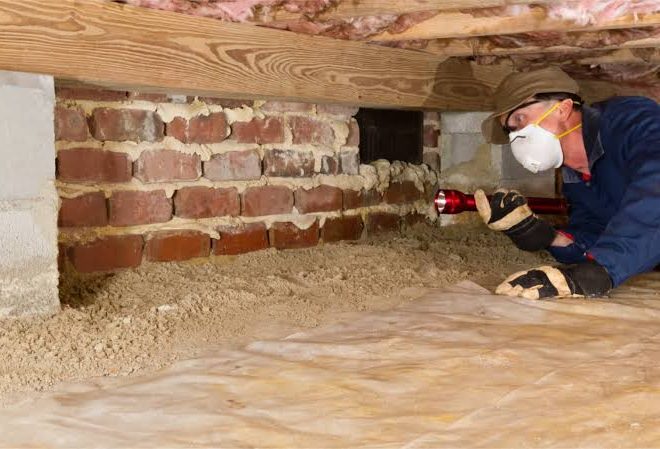
- Check the crawl space after rain, not just on a dry day. Look for puddles, wet soil, or drips on the underside of the subfloor. See whether the wettest area is near one wall, one corner, or the center. A problem shows up as a repeatable pattern after 24 to 48 hours of rain; random dampness with no pooling points more toward condensation.
- Measure the crawl space clearance and floor condition. If the space is only 18 to 24 inches high in places, service access will be tight and a pump basin may need a shallow, carefully placed pit. Verify the floor is soil, gravel, or concrete. Soft, muddy soil that squishes underfoot suggests active water intrusion; dry compacted soil suggests lower risk.
- Find the lowest point where water naturally collects. Use a level or a simple string line to see where gravity sends runoff. The sump basin belongs at the lowest practical spot, usually near an exterior wall or corner. If no area is clearly low, that tells you surface water may be entering broadly, which is a clue to fix drainage outside first.
- Inspect gutters, downspouts, and grading outside. Downspouts should discharge well away from the foundation, commonly at least several feet, and soil should slope away from the house. If downspout extensions are short or the grade slopes toward the house, those corrections may solve the water problem without a pump. The U.S. Department of Energy also recommends keeping water away from the foundation in its [home moisture control guidance](https://www.energy.gov/energysaver/weatherize/moisture-control).
- Decide whether the crawl space is vented or sealed. A vented crawl space is more vulnerable to humid outside air in warm months; a sealed crawl space depends on good ground vapor control and moisture management. If the crawl space is sealed and still gets water, a sump pump becomes more likely because surface moisture has fewer escape paths. For related details, see [how to seal a crawl space](/crawl-space-encapsulation/).
- Check for plumbing leaks and HVAC condensate issues. A pinhole leak, a sweating condensate line, or a dripping condensate pan can mimic groundwater. Verify whether water appears even during dry weather. If yes, consult a plumber or HVAC professional before treating it like a drainage problem.
- Estimate how much water enters in a storm. You do not need a flow meter. A few gallons from a slow seep may be manageable with passive drainage and a dehumidifier; an inch of standing water across part of the crawl space is a stronger sump-pump case. Repeated standing water matters, not a one-time wet patch from a spill or minor leak.
If this process points to groundwater or recurring surface water, I would plan on a sump basin, pump, discharge line, and a check valve. If it points to condensation or a leak, I would fix the source first. A crawl space pump is easy to justify when water is visible and repeatable; it is easy to regret when the real issue is elsewhere.
When should you stop and choose a different fix?
Stop and choose a different fix when the crawl space problem is not actually bulk water, or when a pump would treat the symptom and leave the cause untouched.
The crawl space only feels humid, but there is no standing water: This usually means condensation or outside air infiltration — install or repair a vapor barrier, seal air leaks, and consider a dehumidifier instead of a sump pump.
Water appears only near one plumbing line or appliance drain: This points to a leak, not groundwater — repair the plumbing first, because a pump will hide the symptom while the damage continues.
The yard slopes toward the house and downspouts dump near the foundation: This is a grading and roof drainage problem — extend downspouts, regrade soil, and move water away before adding mechanical equipment. See foundation drainage basics for a related overview.
The crawl space freezes in winter or the discharge route would be exposed to cold air: A pump line can freeze and stop working — modify the discharge with proper slope, insulation, and a route that stays above freezing, or use a different drainage plan.
There is no safe place to route discharge: If pumped water would end up against the foundation, onto a neighbor’s property, or into a line that backs up, the system is wrong — redesign the drainage before installing anything.
The crawl space floor is unstable, contaminated, or hard to access safely: Digging a basin can make the space worse or create a safety hazard — use a qualified contractor to assess the site, or choose a surface-water solution outside.
What usually goes wrong
The most common mistake is installing a sump pump before fixing exterior drainage. That leaves the pump doing all the work a $20 downspout extension or a few yards of regraded soil could have reduced. The result is a pump that runs too often and wears out early. Better to move water away from the house first, then see what is left.
Another mistake is placing the sump basin in the wrong spot. If it is not at the lowest point, water pools elsewhere and the crawl space stays wet. The correct alternative is to map the floor slope and place the basin where gravity already wants the water to go.
People also undersize the discharge setup. A pump without a check valve can send water back into the basin after each cycle, which makes the motor short-cycle and increases wear. A discharge line that rises and dips can trap water and freeze. The fix is a continuous, properly sloped line with a check valve and a winter-safe exit point. For pump component basics, the U.S. Department of Energy has general homeowner guidance on efficient home systems.
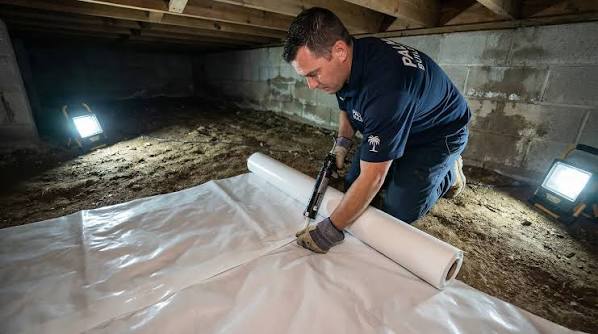
A fourth mistake is ignoring the vapor barrier. A sump pump removes bulk water, but it does not stop moisture from evaporating off bare soil. If the crawl space has exposed ground, you can still get high humidity, mold risk, and rust. The right pairing is drainage plus a sealed ground cover, often 6 to 20 mil depending on the design.
The last mistake is assuming every wet crawl space needs mechanical drainage. That is not true. If the problem is a small leak, a failed gutter, or poor grading, a pump can become an expensive workaround. I would call that the wrong tool, not an upgrade.
What a good crawl-space sump setup looks like
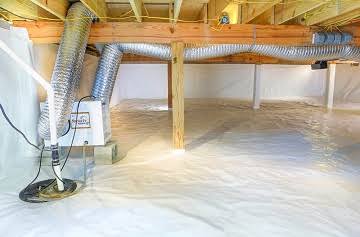
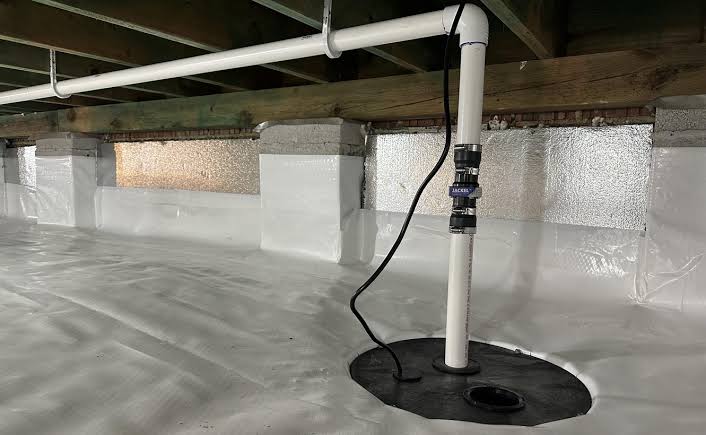
A good setup collects water quickly, moves it out of the house, and does not create a new moisture problem somewhere else. It starts with a basin set at the low point, usually 18 to 24 inches in diameter for common residential installations, though the exact size depends on the site and the pump. The basin should sit below the floor level so water can enter by gravity.
The pump itself needs a float switch that turns it on before the basin overfills. The discharge line needs a check valve to stop backflow and a route that keeps water moving away from the foundation. In colder climates, I would want the line protected from freezing and the outlet far enough from the house that runoff does not flow back toward the crawl space. For more on checks and drainage routing, see sump pump installation tips.
A good result is not “the pump runs all the time.” A good result is a dry or nearly dry crawl space after storms, no standing water, lower humidity, and no musty odor returning a day later. If the pump cycles constantly during ordinary rain, the basin is too small, the site is still admitting too much water, or the drainage outside is still wrong.
If you are sealing the crawl space, the order matters: fix exterior drainage, install the sump if needed, lay the vapor barrier, seal penetrations, then control humidity. Reversing that order leaves you guessing at what actually solved the problem. If you are comparing options, crawl space encapsulation is often the other major path.
Can you do any of this yourself?
You can do the inspection, the grading checks, and the downspout work yourself if you are comfortable with basic home maintenance. A 10-foot downspout extension, for example, is a simple fix and often more useful than a pump. You can also install a heavy vapor barrier if the crawl space is dry enough to work in safely.
I would not treat digging a sump basin, cutting a discharge path through the foundation, or wiring a pump circuit as casual DIY unless you already know the structure and the electrical code that applies in your area. Those parts can go wrong in ways that are hard to see until the next storm. If a crawl space has standing water, unstable soil, mold growth, or difficult access, that is the point where a qualified contractor becomes the right next step. A licensed waterproofing contractor can also help compare repair options.
FAQ
Is a crawl space sump pump always necessary?
No. If the crawl space only has humidity or seasonal condensation, a sump pump is usually the wrong fix.
Will a dehumidifier replace a sump pump?
No. A dehumidifier controls air moisture, but it does not remove standing water or groundwater seepage.
Should the sump pit be inside or outside the crawl space?
Inside is the normal residential approach. Outside systems exist, but they are a different drainage design and are not the usual answer for a crawl space.
What if the crawl space gets water only once or twice a year?
That can still justify a sump pump if the water amount is significant, but I would first look hard at grading, gutters, and downspouts before choosing mechanical drainage.
Can I leave the pump unplugged until I need it?
Not if you rely on it. A sump pump is there for storms, power outages permitting; if it is disconnected, the whole point of the system is lost.