Crawl Space Encapsulation vs. Waterproofing: Which Service Do You Need?
Last updated: September 10, 2026
Key Takeaways
- A small repair may take 1 day.
- A full encapsulation or waterproofing system can take 3 to 7 days, depending on size, access, and whether the space needs drying or cleanup first.
- A waterproofing-only quote can leave an unsealed crawl space still pumping humid outside air into the floor system.
- Will you install drainage, or only seal the crawl space?
Trying to choose between crawl space encapsulation and crawl space waterproofing? Here’s the blunt version: encapsulation makes more sense when the crawl space is damp, musty, or open to humid air; waterproofing is the better fit when liquid water is coming through walls, seams, or the floor. Around Charlotte, Raleigh, Greensboro, and nearby areas in North Carolina, that split matters a lot. Hot summers, clay soil, and sudden rain can create both headaches at once.
Crawl space encapsulation vs. waterproofing: what each service actually does
Encapsulation seals the crawl space from outside air and ground moisture; waterproofing controls or redirects bulk water that is actively getting in. That is the fork in the road. Not a small one.
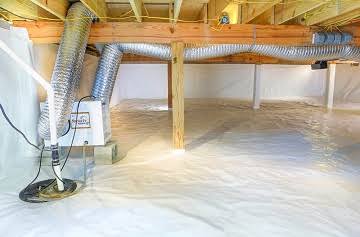
Encapsulation usually includes:
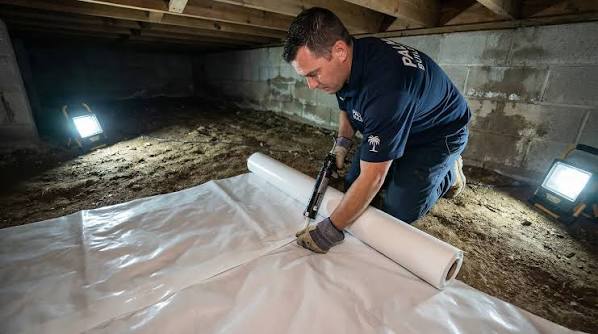
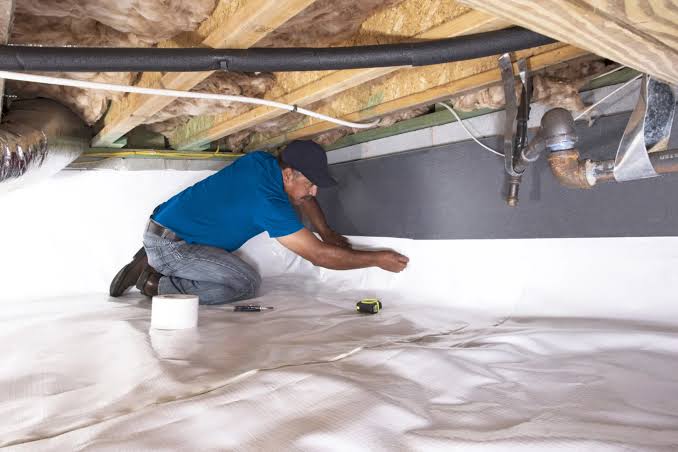
- A 6-mil to 20-mil vapor barrier on the floor and sometimes the walls
- Sealing vents and gaps
- Insulating in the right places
- Conditioning or dehumidifying the crawl space
- Air-sealing penetrations around plumbing and wiring
Waterproofing usually includes:
- Interior drainage, such as a perimeter drain
- A sump pump system
- Drainage matting or channel systems
- Exterior grading corrections, downspout extensions, or exterior drains
- Wall sealing or crack repair when water comes through foundation walls
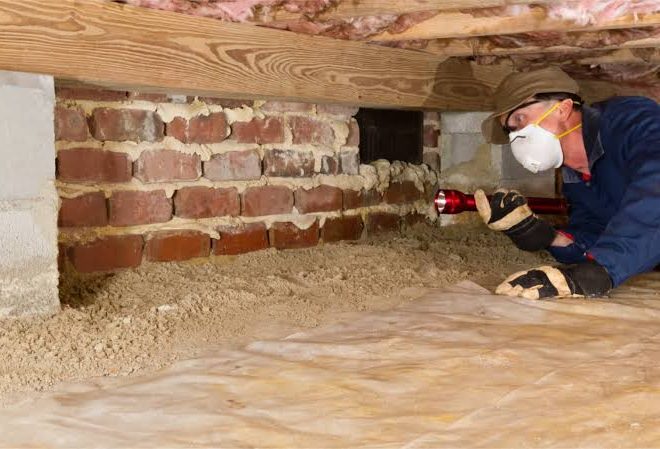
Here’s the practical test I use: if the crawl space feels humid, smells stale, or shows condensation, encapsulation is usually the main fix; if you see standing water, wet soil, or water staining after rain, waterproofing comes first. Around Charlotte’s clay-heavy neighborhoods and older foundation areas near Davidson, Mint Hill, Huntersville, and Matthews, the answer is often a mix of both — drainage plus encapsulation.
People do get tripped up by generic advice. A waterproofing-only quote can leave an unsealed crawl space still pumping humid outside air into the floor system. And an encapsulation-only quote can fail if groundwater keeps pushing in around the perimeter after storms. That’s the catch.
How much does crawl space encapsulation or waterproofing cost in Charlotte and nearby areas?
In Charlotte-area homes, encapsulation usually costs more upfront than basic waterproofing, but the price depends on crawl space size, access, moisture severity, and whether a sump pump or drainage system is needed. Honestly, most contractors should price it after an on-site inspection, not from a quick phone chat.
Here is a local-style cost table for the Charlotte metro, including Concord, Gastonia, Fort Mill, Rock Hill, Huntersville, and Matthews. These are working ranges, not quotes.
| Service | Typical scope | Local price range |
|---|---|---|
| Crawl space inspection | Moisture check, access review, visible damage assessment | $0–$300 |
| Basic vapor barrier install | Partial floor coverage, light sealing | $1,500–$4,000 |
| Full encapsulation | Heavy vapor barrier, sealed vents, air sealing, dehumidification prep | $4,500–$15,000+ |
| Interior drainage system | Perimeter drain with discharge setup | $3,000–$10,000+ |
| Sump pump installation | Pump, pit, discharge line | $1,200–$4,000+ |
| Crack repair / spot sealing | Targeted leak repair | $300–$2,500+ |
| Full crawl space waterproofing + encapsulation | Drainage, pump, barrier, sealing, conditioning | $8,000–$20,000+ |
The biggest cost drivers in this area are usually:
- Crawl space square footage
- Clear height and access
- Extent of mold, rot, or damaged insulation
- Whether water is entering from one side or around the full perimeter
- Need for electrical work for a sump pump or dehumidifier
- Whether old debris must be removed first
A crawl space under a ranch home in Belmont with easy access will usually price very differently from a tight, low-clearance space in an older Charlotte bungalow with multiple penetrations and sagging insulation.
One honest limitation: if your quote is dramatically lower than others, the installer may be leaving out drainage, air sealing, or dehumidification. Cheap on paper. Expensive later.
What Charlotte’s clay soil, humidity, and storm patterns change about the job
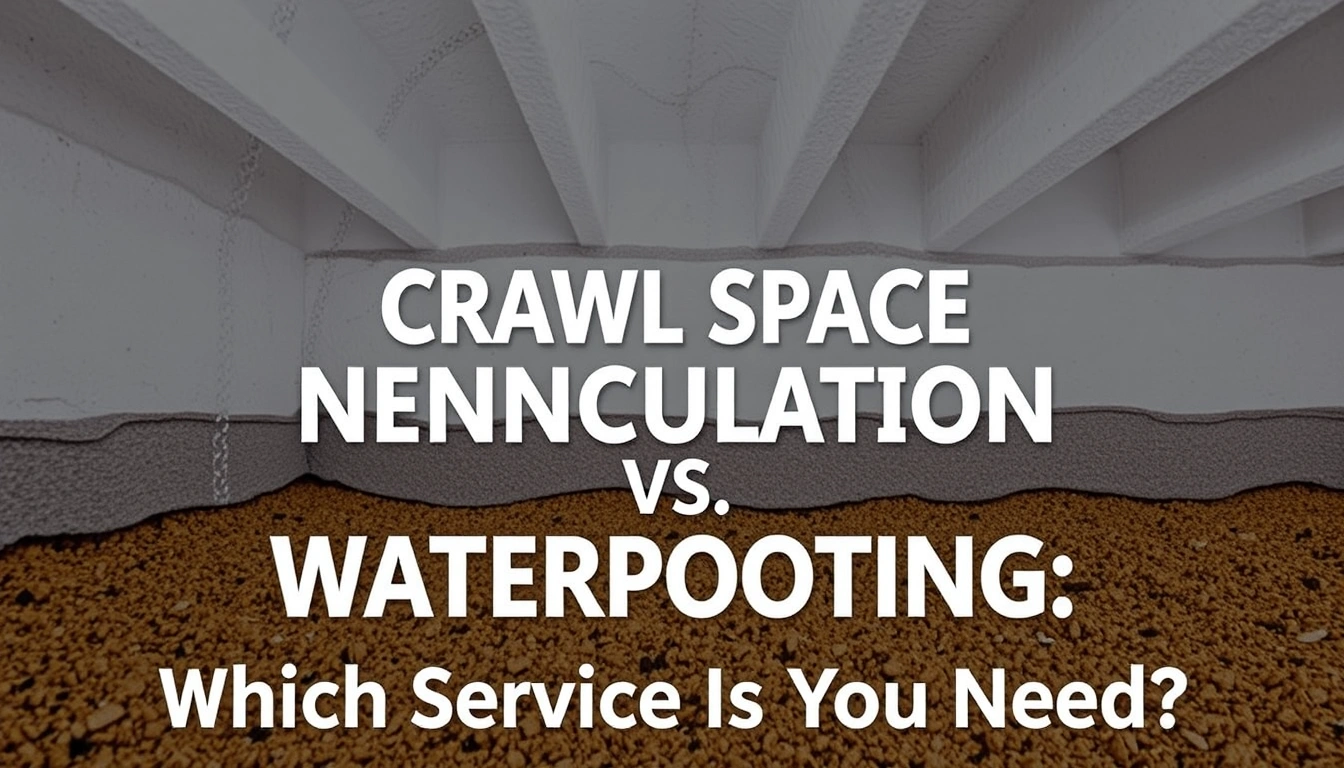
Charlotte’s hot, humid summers and clay-rich soils make crawl space moisture control more complicated than a simple “seal it up” job. That climate pushes the decision toward fuller systems.
The local conditions that matter most are:
- High summer humidity: Outdoor air often carries enough moisture to condense on cooler crawl space surfaces.
- Clay soil: Many neighborhoods around Charlotte, Pineville, and Indian Trail have soil that holds water and drains slowly.
- Sudden heavy rain: Downpours can overwhelm grading and create perimeter seepage.
- Older vented crawl spaces: Homes built before modern moisture-control practices often have vents that bring in more humidity than they remove.
So I’d be wary of any contractor who treats encapsulation as “just lay down plastic.” That shortcut is a paper umbrella in a thunderstorm. A proper crawl space system in this area often needs:
- A sealed vapor barrier
- A real drainage plan if water enters after rain
- A sump pump in homes with recurring seepage
- A dehumidifier sized for the space if humidity remains high
If your home sits in a lower area near creek corridors, or on a lot that slopes toward the foundation, waterproofing becomes more urgent. If the space stays dry from liquid water but smells damp and makes the floor feel sticky in summer, encapsulation usually gives better results.
This is also where local timing matters. In late spring through early fall, moisture problems in the Charlotte area become more obvious, but that is also when crawl spaces are harder to dry out fully. Winter can be a good time for scheduling if the issue is not an emergency. If you are dealing with active water after a storm, do not wait for a drier season.
For drainage design and stormwater basics, I would trust guidance from the North Carolina Department of Environmental Quality and local municipal stormwater rules rather than a sales pitch. For radon or indoor air concerns tied to crawl space sealing, the EPA has a useful summary on Protecting Your Home from Radon. For crawl space moisture and drainage basics, see the EPA’s guidance on moisture and mold and the U.S. Department of Energy’s crawl space insulation guidance.
How do I know if I need encapsulation, waterproofing, or both?
You need encapsulation if moisture is coming from the air and soil; you need waterproofing if moisture is coming through the foundation as liquid water. Real homes blur that line, and plenty of Charlotte-area crawl spaces need both. One should still lead.
Choose encapsulation first if you notice:
- Musty odor in the first floor
- Condensation on ducts or pipes
- Sagging or damp fiberglass insulation
- Humidity that stays high even when it has not rained
- Cold floors in winter and muggy floors in summer
- No standing water, but visible moisture in soil or on wood
Choose waterproofing first if you notice:
- Standing water after rain
- Water trickling along the crawl space wall
- Damp soil that never fully dries
- Efflorescence on foundation walls
- Sump pump discharge issues
- Visible seepage at a crack, seam, or footing area
Choose both if:
- The crawl space floods during hard rain and stays humid afterward
- The home has old vent openings plus active seepage
- There is mold or wood decay alongside water intrusion
- Previous repairs stopped some water but the smell and humidity returned
- The house sits on a lot with poor grading or slow-draining clay
I would not recommend encapsulation alone for a crawl space that gets water in the corner after every thunderstorm. And I would not recommend waterproofing alone for a crawl space that never puddles but still feeds humidity into the house.
If you live in Fort Mill, Tega Cay, Concord, or Mooresville, the same logic applies, but lot grading and county drainage patterns can change the repair plan. A good contractor should explain the water path, not just quote a membrane.
What should a crawl space contractor in Charlotte tell you before you sign?
A good contractor should tell you exactly where the water is coming from, what part of the system solves that problem, and what is excluded from the price. If they can’t say that plainly, keep shopping.
Before you sign, ask these questions:
- Is this an encapsulation job, a waterproofing job, or both?
- Will you install drainage, or only seal the crawl space?
- Do you recommend a sump pump here, and why?
- What vapor barrier thickness are you using?
A contractor should be able to explain whether the job calls for 6-mil, 10-mil, 12-mil, or 20-mil material. - Will the vents be sealed?
- How will you handle the dehumidification strategy?
- What happens if you find rot, mold, or standing water once work begins?
- Is cleanup, debris removal, and old insulation removal included?
- How long will the project take?
- What warranty terms apply, and what do they exclude?
In this market, a small job can take 1 day to 2 days, while a full crawl space drainage-and-encapsulation project can take 3 to 7 days depending on size, access, and drying time. If a contractor says a large overhaul will be wrapped up in a few hours, that’s a red flag.
A quality proposal should also mention whether permits are needed. In many North Carolina jurisdictions, electrical work for a sump pump or dehumidifier circuit may require a permit, and some structural or drainage changes may trigger inspection requirements. That is not a nuisance detail; it is part of a legitimate job. Local building departments in Mecklenburg County, Gaston County, Cabarrus County, and York County, SC can have different thresholds, so I would expect the contractor to know the local process or say when they need to verify it.
Red flags: quotes that should worry you in Charlotte-area crawl spaces
The biggest red flags are vague scopes, no drainage plan for a wet crawl space, and quotes that do not explain how humidity will be controlled after the liner goes in. Those mistakes are common. And costly.
Watch for these warning signs:
- “We just need to put down plastic.”
- No mention of sump pump, drainage, or water source
- No discussion of vent sealing or air sealing
- A single low price for a crawl space that already floods
- Refusal to explain what happens if hidden rot is found
- No mention of dehumidification in a humid climate
- A proposal that sounds identical for every house in Charlotte, Matthews, Huntersville, and Gastonia
A bad crawl space job often looks neat on day one and fails on day 90. The usual failures are:
- Vapor barrier edges left loose
- Seams not properly sealed
- Water still entering at the perimeter
- Wet insulation left in place
- Mold smell returning after the first hot stretch of weather
- Standing water under the liner because drainage was skipped
In the Charlotte area, I’d be especially skeptical if the proposal ignores the combination of clay soil, summer humidity, and stormwater runoff. Those three things are why crawl space systems here need to be built as a moisture-management system, not as a cosmetic fix.
If you are comparing quotes from companies that serve Charlotte, Concord, Cornelius, Harrisburg, Monroe, and nearby suburbs, ask each one to mark on the proposal whether the job is solving air moisture, ground moisture, or both. That one line usually tells you whether the contractor understands the difference.
When is the best time of year to schedule crawl space encapsulation vs. waterproofing?
The best time depends on the problem, and in Charlotte it is usually smartest to schedule before peak humidity or before the next storm cycle exposes the weakness. That timing makes drying, sealing, and follow-up easier.
Here is how I would think about it locally:
- Late winter to spring: Good for planned encapsulation or drainage work before summer humidity rises.
- Summer: Fine for emergency repairs, but crawl spaces can be harder to dry and seal in sticky weather.
- Fall: Another strong window, especially after hurricane remnants or tropical moisture events have shown the weak points.
- After a major storm: If you have active water, schedule inspection immediately.
If your crawl space has standing water, do not wait for the “ideal” season. If your problem is musty air and high humidity, I’d still move quickly, because Charlotte summers can turn a small moisture issue into wood damage, insulation failure, and indoor comfort problems.
Local FAQ
Can I get same-day crawl space service in Charlotte?
Sometimes, yes, if you have active water, a sump pump failure, or a storm-related leak. Same-day service is more likely for inspection or emergency pumping than for a full encapsulation project, which usually takes multiple days.
Do I need a free estimate before booking?
A free estimate is common, but I would care more about whether the contractor explains the source of moisture and includes drainage, barrier thickness, and dehumidification in writing.
Is crawl space encapsulation enough if the space floods?
No. If you have standing water after rain, encapsulation alone is not enough. You usually need waterproofing measures such as drainage and possibly a sump pump.
How long does a crawl space project usually take?
A small repair may take 1 day. A full encapsulation or waterproofing system can take 3 to 7 days, depending on size, access, and whether the space needs drying or cleanup first.
Do you serve areas outside Charlotte?
Yes, most crawl space contractors serving Charlotte also