How Much Does Crawl Space Encapsulation Cost in Charlotte?
Last updated: September 10, 2026
Key Takeaways
- Here are the main cost drivers: Crawl space size matters, but a 900-square-foot space does not always cost half as much as a 1,800-square-foot one.
- Most crawl space encapsulation jobs in Charlotte take 1 to 3 days, but a wet or damaged space can take longer.
- If the work includes mold remediation, drainage, or structural repairs, the timeline can stretch to 4 to 7 days or more.
- Most jobs fall around $5,000 to $15,000, depending on size, moisture damage, drainage, and whether a dehumidifier is included.
Crawl space encapsulation in Charlotte usually costs about $5,000 to $15,000. Plenty of homes land in the middle once drainage, insulation, and mold cleanup get folded in. So the real question is not just “what is the price?” It is “what will my crawl space need to stay dry in Charlotte’s humid climate, clay soil, and heavy rain?” Ask that, and the quote changes fast.
What crawl space encapsulation costs in Charlotte
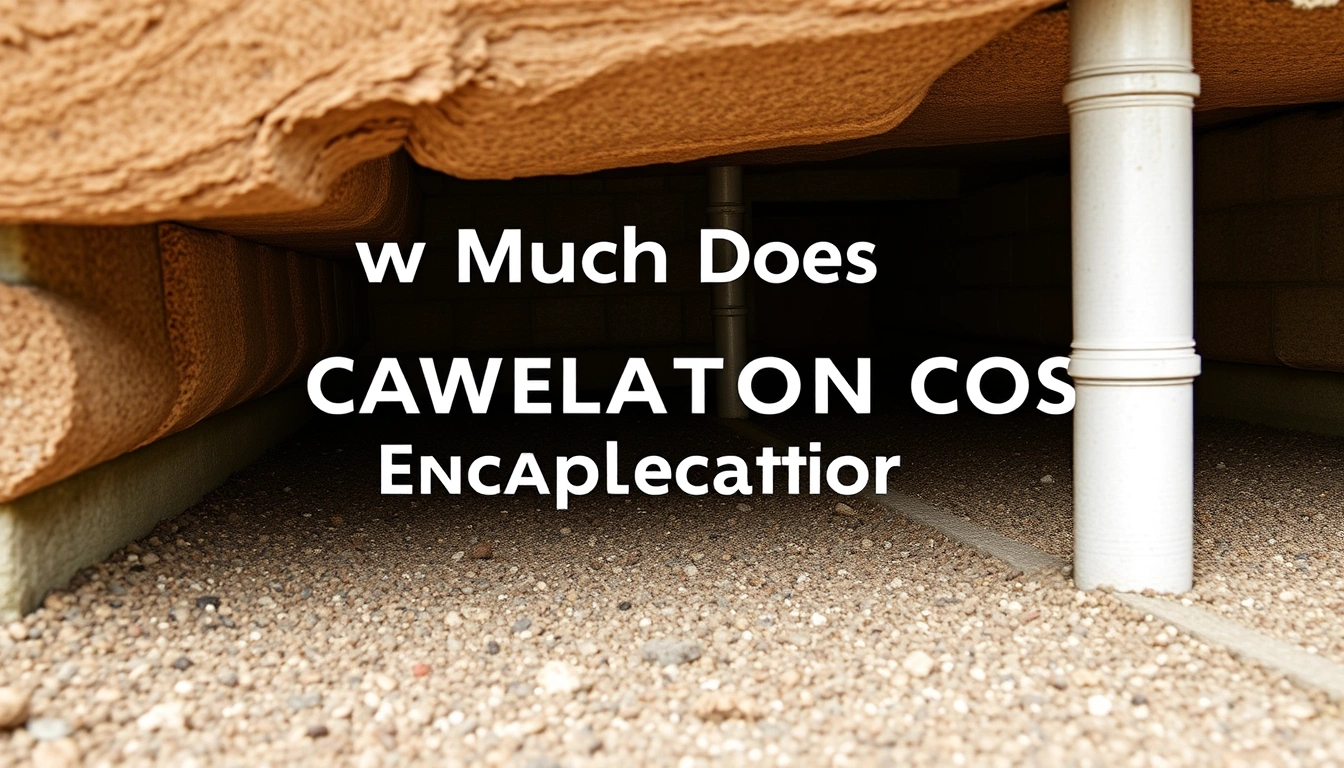
Size matters. So does prep. And if the job needs drainage or mold treatment, the bill climbs.
For a grounded estimate, consult a professional and compare it with guidance from the U.S. Environmental Protection Agency on controlling moisture in crawl spaces and basements, since a simple vapor barrier-only job can be on the lower end while a full sealed system with sump pump, dehumidifier, and insulation can push much higher. Clean and dry is the goal, but it never comes free.
Here is a practical local price breakdown I would use as a starting point for homes in Charlotte, Matthews, Mint Hill, Huntersville, Cornelius, Davidson, and Pineville:
| Crawl space scope | Typical Charlotte price range |
|---|---|
| Basic vapor barrier on a dry crawl space | $2,500–$5,000 |
| Full encapsulation with 10- to 20-mil liner | $5,000–$10,000 |
| Encapsulation plus drainage and sump pump | $7,500–$12,500 |
| Encapsulation plus dehumidifier | $8,000–$14,000 |
| Mold remediation before encapsulation | $1,000–$5,000+ extra |
| Structural repairs, joist replacement, or beam work | varies widely |
Those ranges are not a promise. A 1,200-square-foot crawl space in a newer Charlotte subdivision can price very differently from an older home in Plaza Midwood, Elizabeth, or Biddleville with tight access, old insulation, and wet clay under the footing. Tight access alone can add labor hours. Tiny opening, big headache.
If you are comparing crawl space encapsulation cost Charlotte estimates, I would be wary of any quote that gives one flat number without saying what thickness of liner is included, whether seams are sealed, and whether the crawl space gets a drainage plan. Cheap can get expensive in a hurry.
What changes the price in Charlotte?
Charlotte’s clay-heavy soils, high humidity, and summer storms make crawl spaces harder to dry than many homeowners expect. Encapsulation is not just plastic on the floor; it is a system that has to keep ground moisture, outside air, and rainwater from sneaking back in.
Here are the main cost drivers:
- Crawl space size: A 900-square-foot space costs less than a 1,800-square-foot one, but not always by half. Some fixed labor and setup costs do not shrink much.
- Access: Low clearance, tight entry doors, and blocked openings in older Charlotte homes can add time.
- Water intrusion: If the crawl space has standing water after storms in South End, West Charlotte, or near lower-lying parts of the county, you may need perimeter drainage or a sump pump.
- Mold or rot: Encapsulation should not trap damage. If floor joists, sill plates, or subfloor areas show fungal growth or decay, remediation comes first.
- Insulation choice: Fiberglass batts often get removed or replaced. Rigid foam or closed-cell spray foam changes the bill.
- Liner thickness and sealing method: A thicker liner, such as 10-mil or 20-mil material, costs more than a light-duty barrier.
- Humidity control: A dehumidifier may be necessary in Charlotte’s long humid season, especially from May through September.
I would expect quotes in Mecklenburg County to reflect that humidity more than quotes in a drier climate. A national average can miss the point. Honestly, that math stops working fast.
How long does crawl space encapsulation take?

Most crawl space encapsulation jobs in Charlotte take 1 to 3 days. But a wet or damaged space can take longer. If the work includes mold remediation, drainage, or structural repairs, the timeline can stretch to 4 to 7 days or more.
A simple schedule often looks like this:
- Half day to 1 day: inspection, moisture readings, debris removal, and prep
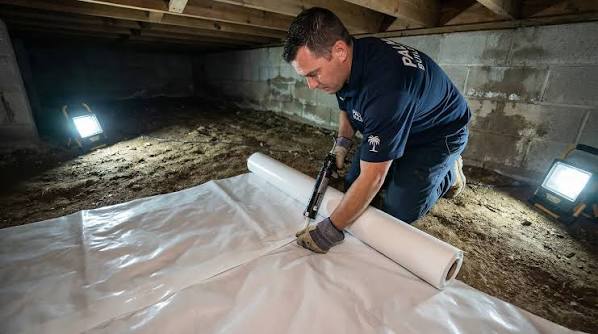
- 1 day: vapor barrier installation and sealing
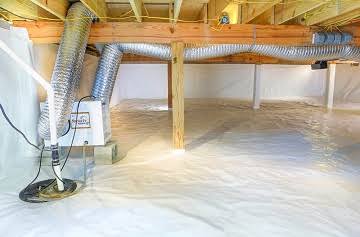
- 1 day: sump pump, drainage, insulation, or dehumidifier installation
- Extra time: mold cleanup, wood repair, pest cleanup, or concrete patching
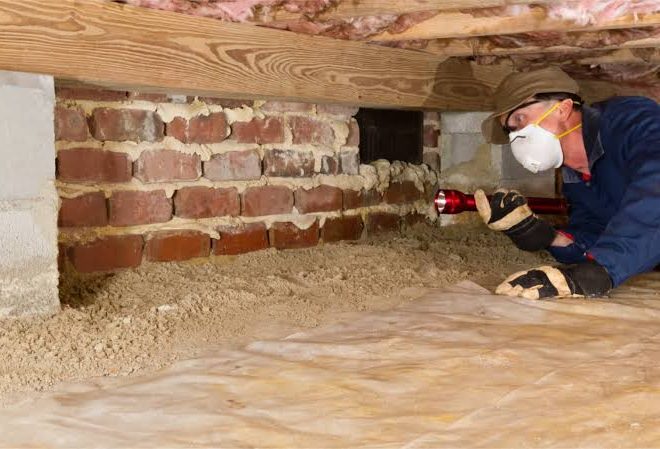
Few people love waiting around for crawl space work, but rushing it is worse. If a contractor says the whole job will be done in a few hours, I would ask what they are skipping. Proper sealing around piers, seams, vents, and penetrations takes time. So does fixing the moisture source before the liner goes down.
Charlotte’s weather can also affect scheduling. Summer storms and humid stretches slow down drying and cleanup. In cooler months, work may go faster, but only if the crawl space is already dry enough to seal.
Do you need drainage, a sump pump, or a dehumidifier?
Yes. Many Charlotte crawl spaces need at least one of those pieces, and some need all three. Encapsulation without moisture control can fail when the water table is high, when the yard slopes toward the house, or when gutters dump water near the foundation.
Here is the logic I use:
- No drainage may be enough if the crawl space is dry, the grading is good, and gutters already send water away.
- A sump pump makes sense if there has been standing water, seepage after storms, or water staining along the perimeter.
- A dehumidifier is often wise in Charlotte because the outside air stays muggy for much of the year.
- Interior drainage is worth asking about if water comes in from the edges, especially in older homes or homes on clay-heavy lots.
A bad quote often skips the source of moisture and jumps straight to sealing. Backwards. In Charlotte, I would rather see a contractor explain why water is getting in and what will stop it than promise a shiny white liner first.
If your home is in a neighborhood with older construction, such as parts of NoDa, Dilworth, or Plaza Midwood, ask whether the crawl space has existing vents, old insulation, or historic framing conditions that need special handling. Older houses often hide more labor in the prep, and the best crawl space encapsulation cost Charlotte comparison is the one that explains that labor up front.
How to vet a crawl space contractor in Charlotte
You should ask for a written scope, a moisture plan, and a clear explanation of what is excluded. That matters more than a polished sales pitch.
A good Charlotte crawl space quote should spell out at least these items, and you should consult a professional if anything is vague or left out, using sources such as the North Carolina Licensing Board for General Contractors and the U.S. Environmental Protection Agency as reference points:
- Liner thickness, often listed in mils
- Whether the liner covers walls, piers, and floor
- Sealing method for seams and edges
- Whether vents are closed or conditioned differently
- Drainage details, if any
- Sump pump brand or specification, if installed
- Dehumidifier capacity, if included
- Mold treatment steps, if needed
- Warranty terms in writing
- Whether debris removal and disposal are included
I would also ask whether the contractor is familiar with local permitting triggers and code-related work. In North Carolina, contractors doing structural or mechanical work may need to meet state licensing requirements depending on the job type. For license verification, the North Carolina Licensing Board for General Contractors and the North Carolina State Board of Examiners of Plumbing, Heating and Fire Sprinkler Contractors are two official places to check. For general building code questions, the North Carolina Department of Insurance’s code resources are worth consulting, and Mecklenburg County permits may apply when drainage, electrical, or structural work is involved.
A contractor who gives a price but cannot explain those basics is not ready for the job. Simple as that.
What a bad encapsulation job looks like
A bad job usually smells musty, traps water, or peels apart at the seams within months. Hard to miss, once you know the signs.
Watch for these problems:
- Loose or torn liner: If the plastic sags, tears, or pulls away from piers, it was not installed to stay put.
- Open seams: Gaps let humid air and pests back in.
- Wet insulation left in place: Fiberglass hanging under the floor often keeps holding moisture.
- No source control: If gutters, downspouts, or grading were ignored, water returns.
- No mechanical humidity control: In Charlotte, a sealed crawl space without a way to control humidity may still stay too damp.
- Musty odor inside the house after the job: That suggests the crawl space is still communicating moisture upward.
- Mold returning on framing: That means the space was sealed over an active moisture problem.
A good encapsulation should lower moisture, reduce odor, and make the crawl space cleaner and easier to inspect. It is not supposed to hide damage.
This is where cheap quotes fail most often. A low bid that leaves out drainage, removal of old insulation, or treatment of fungal growth can look fine on paper and cost more later, so consult a professional before choosing the lowest price. Penny wise, pound foolish.
When is the best time to schedule this in Charlotte?
Late fall through early spring is often the easiest time to schedule crawl space encapsulation in Charlotte. Still, urgent water problems should not wait for a season. If a storm has flooded the crawl space in July, the right time is after the water is removed and the source is fixed.
Why timing matters here:
- Summer humidity: High moisture makes drying harder.
- Storm season: Heavy rain can expose drainage problems quickly.
- Milder months: Better conditions for inspection, cleanup, and sealing.
- Busy season: Contractors often book faster after big rain events in Mecklenburg County.
If your crawl space is already wet, I would not delay just to chase a cheaper season. Water in the crawl space can damage subfloor framing, insulation, and indoor air quality long before the next cool month arrives, and the National Weather Service is a useful source for tracking the storm patterns that tend to drive those delays.
For homes in nearby areas like Concord, Gastonia, Monroe, and Indian Trail, the same seasonal pattern usually applies: wet summers, humid shoulders, and more predictable work in the cooler part of the year.
Which homes in Charlotte usually need this most?
Older homes, low-lying lots, and houses with poor drainage usually need encapsulation first. That is especially true in Charlotte neighborhoods and nearby suburbs where crawl spaces are common and the soil holds moisture.
Homes I would flag first include:
- Older pier-and-beam houses in neighborhoods such as Plaza Midwood, Dilworth, and parts of Belmont
- Homes on clay soil with poor yard grading
- Houses with frequent HVAC condensation or musty first-floor floors
- Properties where gutters overflow or downspouts end near the foundation
- Homes with repeated pest issues in the crawl space
Encapsulation is not only for visibly flooded spaces. In Charlotte, I would pay attention if the floor above the crawl space feels damp in summer, if hardwoods cup or buckle, or if you smell a musty odor after rain. Those signs can show up long before standing water appears, which is why crawl space encapsulation cost Charlotte searches often start after a smaller moisture problem turns into a larger one.
FAQ: crawl space encapsulation cost in Charlotte
How much does crawl space encapsulation cost in Charlotte, NC?
Most jobs fall around $5,000 to $15,000, depending on size, moisture damage, drainage, and whether a dehumidifier is included.
Can I get a same-day estimate?
Sometimes, yes. Many contractors can do a same-day phone estimate or schedule an inspection within a few days, but an accurate quote usually needs a crawl space visit.
Do I need emergency service after a flooded crawl space?
If standing water is present, or if you suspect electrical, structural, or sewer issues, treat it as urgent. Water removal and source control should come before encapsulation.
Is a free estimate common?
Yes, free estimates are common for this type of work, but make sure the quote is detailed. A free number with no scope is not very useful.
How long before I can use the crawl space again?
Usually right away for normal access, but if there was mold treatment, drainage installation, or major repair work, the contractor may want the space to dry for 24 to 72 hours before final sealing or humidity control is started.
If you are comparing quotes in Charlotte, I would keep the focus on three things: what the job includes, how it handles moisture, and whether the price matches the crawl space conditions under your home. A fair quote explains all three, and that is the best way to judge crawl space encapsulation cost Charlotte bids without getting distracted by the lowest number.