Crawl Space Repair Cost: What Homeowners Can Expect
Last updated: September 10, 2026
Key Takeaways
- A 600-square-foot crawl space and a 1,500-square-foot crawl space are not priced the same.
- Most crawl space repairs take 1 to 5 days, but the timeline stretches when the work includes drainage, structural framing, or mold remediation.
- Local experience matters because the repair under a 1950s brick ranch in Richmond is rarely identical to the repair under a coastal home in Virginia Beach.
- A practical budget is $1,000 to $5,000 for many moderate repairs, with encapsulation and structural work pushing the total higher.
Crawl space repair cost usually lands somewhere between a few hundred dollars for a small, isolated fix and several thousand dollars for drainage, encapsulation, or structural work. For homeowners comparing crawl space repair cost in Virginia, the first number you hear depends on what is wrong under the house, how much of the crawl space is affected, and whether the job needs moisture control, support repair, or both. Coastal Virginia, the Outer Banks, Tidewater, Richmond, Williamsburg, Norfolk, Chesapeake, and Newport News all bring their own headaches. That matters fast.
How much does crawl space repair cost in Virginia?
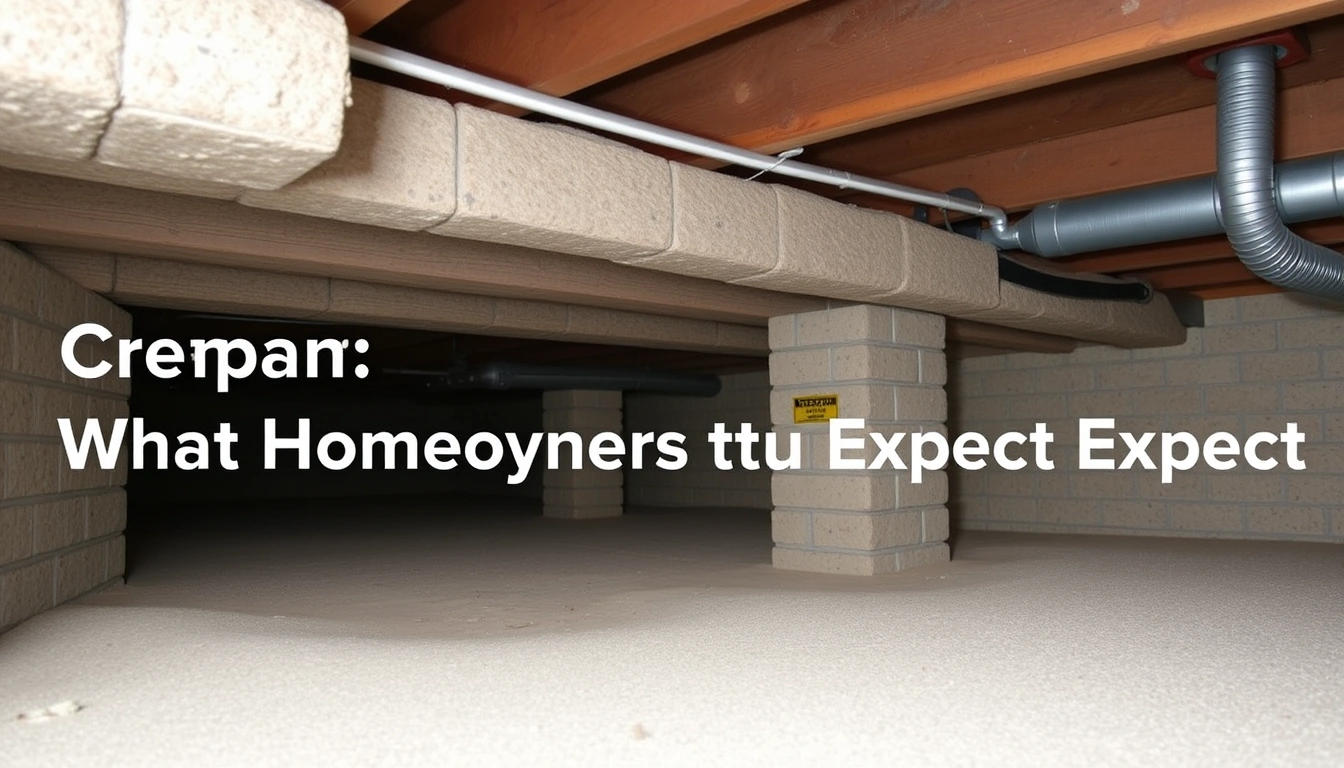
Crawl space repair cost in Virginia depends on crawl space size, how much moisture damage is present, and whether the work is cosmetic, structural, or part of a full encapsulation system. For many homes in Hampton Roads and central Virginia, a small repair may stay in the low hundreds, while a full project often lands in the low thousands or more. No mystery there.
Here is a practical local pricing table I would use as a starting point, not a promise:
| Crawl space repair type | Typical cost range in Virginia |
|---|---|
| Vapor barrier patching or small repairs | $300–$1,000 |
| Minor crawl space drainage correction | $800–$2,500 |
| Sump pump installation in a crawl space | $1,200–$3,500 |
| Dehumidifier installation | $1,500–$3,500 |
| Partial encapsulation | $3,000–$8,000 |
| Full encapsulation | $6,000–$15,000+ |
| Floor joist reinforcement or sistering | $1,500–$5,000+ |
| Beam or support pier repair | $2,000–$10,000+ |
| Insulation replacement due to moisture damage | $1,000–$4,000 |
Those ranges move with access. A crawl space in a small ranch in Suffolk with 18 inches of clearance is not the same job as a taller crawl space in Williamsburg with standing water, mold on joists, and damaged insulation. Tight access slows everyone down. So does hauling debris out and working around old framing.
The biggest jump usually comes when a contractor uncovers more than one issue: a wet crawl space, damaged insulation, mold growth, and sagging framing. That is why a quote for “just a vapor barrier” can turn into a much larger repair once the floor system is inspected. Ugly surprise? Often.
What changes the price in Norfolk, Chesapeake, and Richmond?
Local moisture, soil, and home style change the work; contractors are not just tossing darts at a board. In Hampton Roads, high water tables and humid air make crawl spaces more likely to stay damp. Richmond and nearby counties deal with clay-heavy soils that hold water after heavy rain and push it toward foundation walls and piers. Along the coast, salt air and repeated flooding events make moisture control more urgent.
A few local factors matter a lot:
- High humidity: Virginia summers often keep crawl spaces damp for months, so dehumidification matters more than it would in a dry climate.
- Clay and poorly draining soils: In parts of Richmond, Henrico, Chesterfield, and Hanover, water can linger under the home after storms.
- Older housing stock: Homes in Newport News, Portsmouth, Norfolk, and older parts of Williamsburg may have older insulation, wood rot, or undersized vents that need more than a simple patch.
- Flood history and storm surge exposure: In lower-lying parts of Chesapeake, Virginia Beach, and Suffolk, water intrusion can make encapsulation or drainage systems more than optional.
Low-clearance crawl spaces cost more to work in because crews move slower and material handling takes longer. Multiple entry points or a sloped lot can make drainage work pricier too. Because of that, I would be cautious about any quote that ignores local ground conditions. In this part of Virginia, a sunny day does not guarantee a dry crawl space. Not even close.
What work is usually included in crawl space repair?

Crawl space repair usually includes one or more of these jobs: moisture control, insulation replacement, drainage correction, wood repair, and support stabilization. The exact scope matters more than the label on the estimate, so it helps to know how each piece fits into the larger crawl space repair cost. It adds up.
Common repair items include:
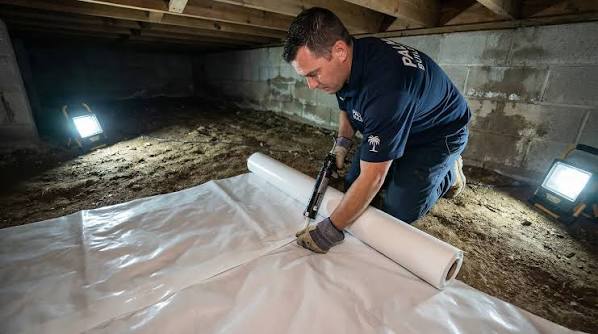
- Vapor barrier installation or repair: A heavy liner, often 10 mil to 20 mil, is laid over the soil to reduce ground moisture.
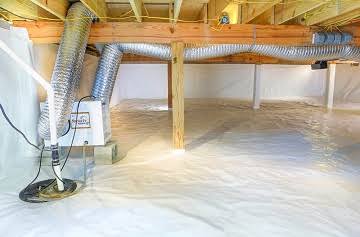
- Encapsulation: The crawl space floor and walls are sealed with liner and often paired with a dehumidifier.
- Drainage correction: This can mean grading, trenching, a sump pump, or a perimeter drain.
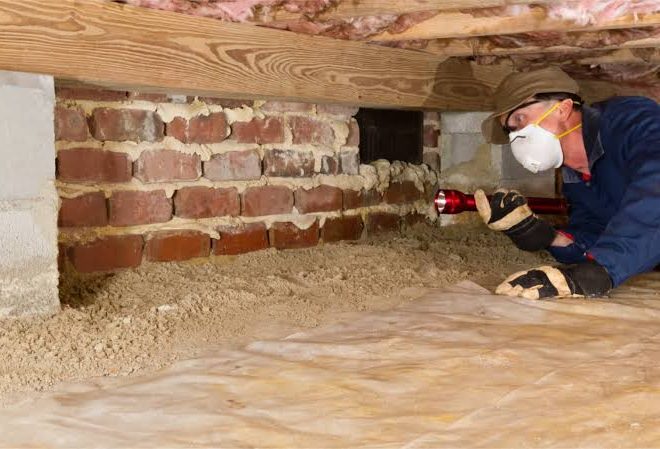
- Mold treatment: If moisture has already caused visible growth, that should be addressed before new materials go in, and a professional should assess the extent of the problem. The EPA recommends fixing moisture sources and cleaning or removing mold-damaged materials as part of a safe approach to mold problems: https://www.epa.gov/mold/mold-cleanup-your-home
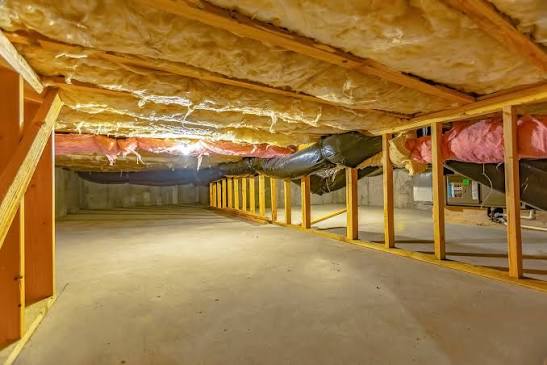
- Insulation replacement: Fiberglass batts below the floor often get wet, sag, or fall out in humid crawl spaces.
- Structural repair: Sistered joists, replacement beams, or new support piers may be needed if wood has softened or settled.
A quote that leaves out one of those pieces is often not a full repair quote. For example, a dehumidifier without drainage may help a little, but it will not fix standing water. A vapor barrier over wet dirt will slow moisture from below, but it will not solve active water intrusion from a plumbing leak or bad grading.
The best quotes usually separate the work into line items. If the contractor says “crawl space repair” and gives only one number, ask what that number includes and what it excludes. That keeps crawl space repair cost comparisons honest.
How long does crawl space repair take?
Most crawl space repairs take 1 to 5 days, but the timeline stretches when the work includes drainage, structural framing, or mold remediation. Small jobs can be done in a single day. Full encapsulations with repairs may take several days, especially if materials need to dry first. Sometimes longer.
A rough local timeline looks like this:
- Minor patch or insulation repair: 2 to 6 hours
- Sump pump or drainage add-on: 1 to 2 days
- Partial encapsulation: 1 to 3 days
- Full encapsulation with dehumidifier: 2 to 5 days
- Structural repair with joist or beam work: 2 to 7 days, sometimes longer if permits or drying time are involved
Weather matters in Virginia. Heavy rain can delay a crawl space job in Chesapeake or Suffolk because crews may need the space to dry before installing liner or making wood repairs. Summer humidity can also slow drying unless dehumidifiers or temporary ventilation are used. Damp air is a stubborn beast.
If your home has sagging floors or you hear new creaks and pops, schedule sooner rather than later. Structural repairs usually take more planning than moisture control, and delaying the job can make the crawl space repair cost higher.
How do I know if a crawl space repair quote is fair?
A fair crawl space repair quote is specific, itemized, and tied to the condition under your home, not a one-size-fits-all package. In Virginia, I would expect the estimate to say exactly what materials are going in, how much square footage is being covered, and whether the price includes cleanup, disposal, and warranty terms. The EPA also advises homeowners to identify and correct moisture sources, which makes a detailed estimate especially important: https://www.epa.gov/mold
Ask for these details:
- Crawl space square footage covered
- Thickness of vapor barrier or liner, such as 10 mil, 12 mil, or 20 mil
- Whether seams are taped or sealed
- Whether the quote includes drainage, sump pump, or dehumidifier
- Whether insulation is included
- Whether wood repair or pier work is excluded
- Whether mold treatment is part of the scope
- How long the work is expected to take
- What permits, if any, are needed
A quote can be low for a reason. It may leave out drainage, use thin liner, or cover only part of the crawl space. That is not automatically a bad quote, but it is a quote for a smaller job.
I would be wary of any bid that sounds complete but avoids measurements. If nobody is talking about square footage, vent sealing, joist spacing, or moisture source, the estimate may be too vague to trust. Consult a professional if you need help confirming what the crawl space repair cost should include. Straight talk beats fancy language.
If you want a cleaner benchmark, compare three quotes from contractors who serve your area, including Richmond, Henrico, Chesterfield, Midlothian, Williamsburg, Newport News, Norfolk, and Chesapeake. Local experience matters because the repair under a 1950s brick ranch in Richmond is rarely identical to the repair under a coastal home in Virginia Beach. For related background, see our guides on crawl space encapsulation and crawl space moisture.
Red flags: quotes that should worry you
A bad crawl space repair job usually looks neat at first and fails quietly later. The strongest warning sign is a contractor who promises a cure without identifying the moisture source, so it is worth asking for that explanation before you sign.
Red flags I would not overlook:
- A quote that says “encapsulation” but does not mention drainage or dehumidification
- Thin plastic laid over dirt with open seams or untaped overlaps
- Wet insulation left in place
- No mention of standing water, grading, or plumbing leaks
- A structural repair estimate that does not address why the floor moved
- A contractor who skips measurements and gives only a round number
- Pressure to sign before the crawl space is inspected
The worst jobs often fail in the first 1 to 2 rainy seasons. In Virginia, that means a repair can look fine through autumn and then show problems after winter rain or a humid summer. The clock starts ticking.
I would also treat “mold-free forever” claims with skepticism. Moisture control helps a great deal, but no honest contractor can promise that a crawl space will never have another issue if a storm, leak, or drainage problem returns. If the claim sounds absolute, consult a professional and ask for the maintenance plan behind it. No magic wand here.
Is permit or code work needed for crawl space repair in Virginia?
Sometimes yes, especially for structural, electrical, or plumbing work tied to the crawl space. Moisture control alone may not require the same paperwork as beam replacement, new wiring, or a sump pump with electrical service. Local building departments in places like Norfolk, Chesapeake, Virginia Beach, Richmond, and surrounding counties may handle those differently, so the contractor should know the local process.
If the job includes:
- Structural framing or support changes: a permit may be required
- New electrical work for a dehumidifier or sump pump: electrical code compliance matters
- Plumbing repairs: separate permit rules may apply
- Drainage tied to foundation work: local review may be needed
This is one place where a low quote can become expensive if the contractor has to stop and pull permits later. A good estimate should tell you whether permits are included and who handles them.
For code and moisture guidance, I would rather rely on source material from the Virginia Department of Housing and Community Development and building code references tied to the local jurisdiction than on a contractor’s casual promise. For mold and indoor air concerns, the EPA has useful homeowner guidance on moisture control and mold prevention: https://www.epa.gov/mold
What should I ask before I book crawl space repair?
You should ask what is causing the moisture, what the repair includes, how long it will take, and what happens if the problem comes back. Those four questions tell you more than the final price alone.
Ask these before you book:
- What is the actual moisture source? Ground seepage, runoff, plumbing, HVAC condensation, or high humidity each needs a different fix.
- How many square feet are you covering? A 600-square-foot crawl space and a 1,500-square-foot crawl space are not priced the same.
- Will this fix standing water or only the symptoms? If there is active water, the answer matters.
- What thickness of liner are you using? Thin material usually costs less up front and can be weaker over time.
- Do you handle structural repairs too? If the floor is sagging, you may need both moisture and framing work.
- How long is the warranty, and what does it exclude? Put the exclusions in writing.
- Can you explain what would make the price go up? A straightforward contractor should be able to name the triggers.
If you live in Glen Allen, Mechanicsville, Midlothian, Ashland, Yorktown, Poquoson, or Smithfield, ask whether the company regularly works in homes with your crawl space type. Local familiarity is not a bonus; it affects the accuracy of the estimate.
FAQ: crawl space repair cost and timing
How much should I budget for a crawl space repair?
A practical budget is $1,000 to $5,000 for many moderate repairs, with encapsulation and structural work pushing the total higher.
Can I get a same-day crawl space repair estimate?
Often yes, especially for moisture or insulation issues. Structural repairs or drainage problems may need a longer inspection and a second visit.
Is emergency crawl space repair available after a flood or storm?
Sometimes. If water is pooling under the house in Norfolk, Chesapeake, or Virginia Beach after heavy rain, call right away and ask whether emergency pumping, drying, or board-up service is available.
Does a free estimate mean the price will be lower?
No. It only means the inspection does not have an upfront charge. The final repair cost still depends on the crawl space condition.
What is the most expensive part of crawl space repair?
Structural repair and full moisture control together usually cost the most, especially if there is rot, poor drainage, or repeated water intrusion.
For homeowners in Richmond, Hampton Roads, Williamsburg, and nearby communities, crawl space repair is one of those jobs where the cheap answer is often incomplete. If the estimate is clear, the moisture source is identified, and the price matches the scope, you are much closer to a repair that lasts than to one that needs doing again in a year or two.